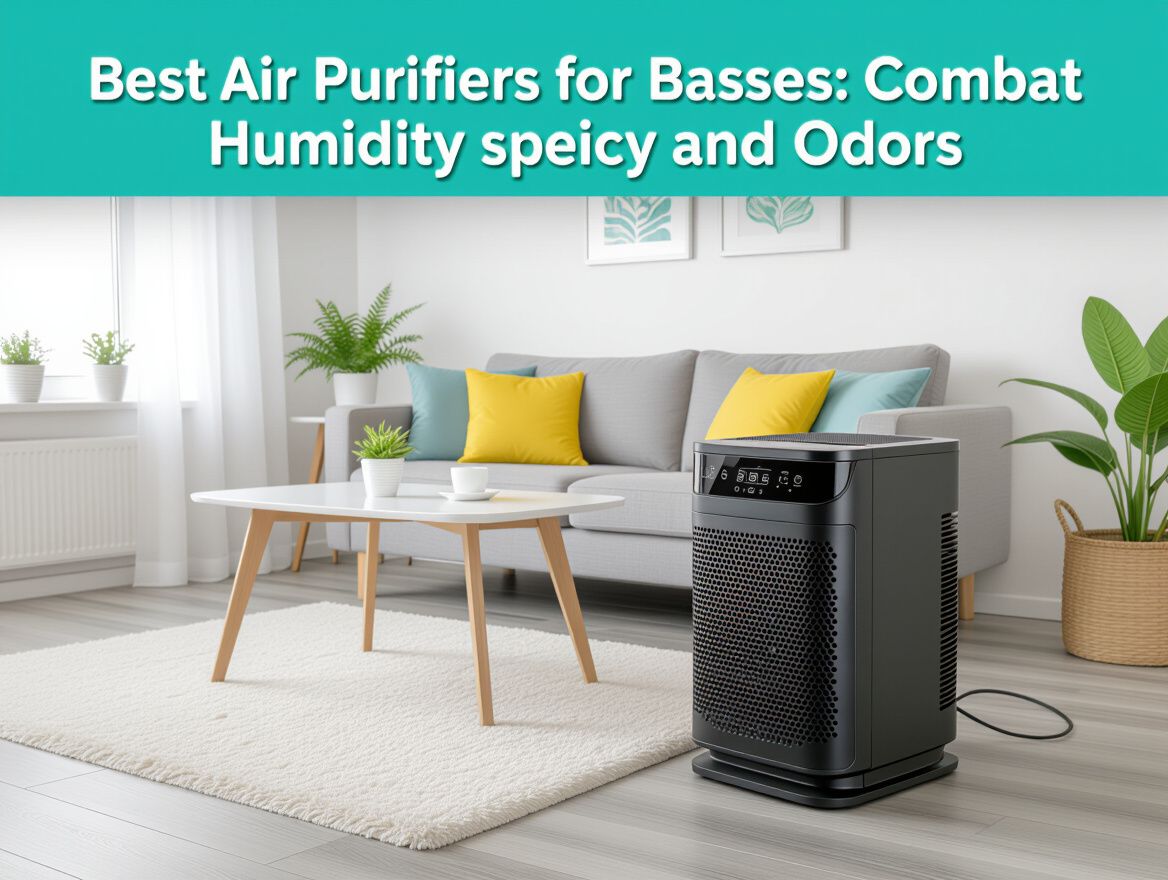
Best Air Purifiers for Basements: Combat Humidity and Odors
Understanding Basement Air Quality Issues
Basements often face unique air quality challenges due to their enclosed nature and proximity to moisture sources. Common problems include elevated humidity levels, unpleasant odors, and the potential for mold growth. These factors can create an unhealthy environment, which is particularly concerning for homeowners and renters looking to improve their living conditions.
Air purifiers play a crucial role in mitigating these issues by filtering out airborne pollutants, reducing musty odors, and tackling mold spores. However, selecting the appropriate air purifier for a basement requires careful consideration of several factors:
- Humidity Levels: Basements typically have higher humidity, which can lead to mold and mildew. Effective air purifiers should be capable of handling these specific conditions.
- Odor Control: Musty smells can permeate basements; look for purifiers equipped with activated carbon filters that are effective at neutralizing odors.
- Room Size: The size of the basement will influence the type and capacity of the air purifier needed. Ensure that the model you choose can adequately cover the entire area.
- Filtration Technology: HEPA filters are ideal for capturing small particles, but consider additional technologies like UV light or PECO, which can target microorganisms and VOCs.
By understanding these challenges and the capabilities of air purifiers, you can make an informed decision that addresses the specific air quality issues in your basement.
Key Features to Look for in Basement Air Purifiers
When selecting an air purifier specifically for your basement, it's vital to consider features that address the unique air quality challenges of this environment. Here’s a checklist of essential criteria to guide your decision:
-
Filtration Type:
- HEPA Filters: These capture 99.97% of particles as small as 0.3 microns, making them effective against dust, mold spores, and allergens.
- Activated Carbon Filters: Ideal for absorbing odors and volatile organic compounds (VOCs), which are common in musty basements.
-
Coverage Area and CADR Ratings:
- Ensure the air purifier’s coverage area matches your basement size. Look for Clean Air Delivery Rate (CADR) ratings, which indicate the volume of clean air produced per minute. Higher CADR ratings are preferable for larger spaces or those with significant air quality issues.
-
Noise Levels:
- Consider the noise output, especially if the basement is a living space or workspace. Units with noise levels below 50 dBA are typically considered quiet enough for most environments.
-
Energy Efficiency:
- Look for models with Energy Star ratings or low power consumption features to minimize electricity costs, especially if you plan to run the purifier continuously.
By evaluating these features, you can choose an air purifier that effectively combats humidity and odors, improving the overall air quality in your basement.
Comparing Air Purifiers: What Works Best for Basements?
Basements often face unique air quality challenges due to their typically enclosed spaces, higher humidity, and potential for musty odors. When selecting an air purifier for these conditions, it's essential to consider specific features and user feedback that align with the particular issues faced in basements.
Key Considerations
-
Filtration Type: For combating mold spores and odors, HEPA filters combined with activated carbon are highly effective. Models like the Alen BreatheSmart FLEX utilize a high-concentration pellet-based carbon filter, making it suitable for musty environments.
-
Coverage Area: The size of your basement will dictate which purifier is appropriate. For larger basements, the Levoit Core 600S is noted for its ability to cover expansive areas effectively, making it a viable option for those with more significant square footage.
-
Humidity Control: While air purifiers can help improve air quality, they may not address humidity directly. Consider pairing an air purifier with a dehumidifier, especially in damp basements, to ensure optimal air conditions.
Performance Factors
-
CADR Ratings: Look for air purifiers with high Clean Air Delivery Rate (CADR) ratings, which indicate how quickly they can filter out common pollutants. The Alen BreatheSmart models are designed for high efficiency in such settings.
-
Noise Levels: Since basements are often used for relaxation or as living spaces, selecting a quieter model can enhance comfort. User feedback often highlights the importance of noise levels, especially during nighttime use.
Trade-offs and Limitations
-
Filter Replacement Costs: Consider the long-term costs associated with filter replacements. Some models may have higher initial costs but lower maintenance expenses, which can impact overall value.
-
Energy Efficiency: Evaluate the energy consumption of the air purifier. More efficient models can help keep utility bills lower, particularly in larger basements where the device may need to run continuously.
Fit and Risk Guidance
-
Basement Conditions: Assess the specific conditions of your basement, such as existing mold issues or persistent odors. This will guide you in selecting a model that can tackle these problems effectively.
-
User Reviews: Before making a decision, review user feedback to understand real-world performance. Look for comments on effectiveness against humidity and odors, as well as overall satisfaction with the product.
By focusing on these criteria and understanding the unique challenges of basement air quality, you can make an informed choice that enhances the air you breathe in your home.
Potential Risks and Trade-offs in Choosing an Air Purifier
Selecting the best air purifiers for basements involves navigating several potential risks and trade-offs that can impact air quality and overall effectiveness. Understanding these limitations is essential for making an informed choice.
-
Filter Maintenance: Regular maintenance is crucial for air purifiers to function effectively. In basements, where humidity levels are often higher, filters may clog more quickly due to dust and mold spores. Neglecting to replace or clean filters can lead to decreased performance and even worsen air quality.
-
Noise Levels: Many air purifiers can generate noise, especially when operating at higher speeds. This can be a concern in basements used for relaxation or recreation. Homeowners should consider the noise level specifications of different models to ensure they fit their comfort preferences.
-
Price vs. Performance: There is often a trade-off between the price of an air purifier and its performance. Higher-end models may offer advanced features and better filtration, but they come at a premium cost. It's important to assess your specific needs and budget, as more expensive options are not always necessary for effective air purification.
-
Complementary Solutions: In humid basements, air purifiers alone may not suffice in combating moisture-related issues like mold and odors. Incorporating a dehumidifier can be a complementary solution, helping to maintain optimal humidity levels while the air purifier filters out contaminants. This dual approach can enhance overall air quality.
By weighing these risks and trade-offs, homeowners can better navigate their options and select an air purifier that meets the specific challenges of basement environments.
Frequently Asked Questions About Basement Air Purifiers
When considering air purifiers specifically for basements, potential buyers often have several key questions. Here, we address some common queries to help you make an informed decision.
What are the best air purifiers for mold?
For basements prone to mold growth, look for air purifiers equipped with HEPA filters and activated carbon. HEPA filters capture mold spores effectively, while activated carbon filters help eliminate odors associated with mold. Models like the Levoit Core 600S and Alen BreatheSmart FLEX are often recommended due to their filtration capabilities tailored for damp environments.
How do I maintain my air purifier?
Regular maintenance is crucial for optimal performance. Here are some tips:
- Filter Replacement: Check the manufacturer's recommendations for how often to replace filters. HEPA filters typically last 6-12 months, while carbon filters may need replacement more frequently.
- Cleaning: Wipe the exterior and any accessible parts with a damp cloth to prevent dust accumulation.
- Monitor Performance: Keep an eye on air quality indicators, if available, to ensure your purifier is functioning effectively.
Can an air purifier eliminate musty smells?
While air purifiers can significantly reduce musty odors, they may not completely eliminate them if the source of the odor is not addressed. Effective models will filter out airborne particles and VOCs that contribute to unpleasant smells. However, for persistent mustiness, consider using a dehumidifier in conjunction with your air purifier to manage humidity levels, which can help prevent mold growth and odors from returning.
Making the Right Choice for Your Basement
Selecting the best air purifiers for basements involves understanding the unique challenges these spaces present, such as humidity, odors, and potential mold growth. It's crucial to assess your specific needs, as not all air purifiers are created equal when it comes to addressing basement conditions.
Key considerations include:
- Humidity Control: If your basement tends to be damp, pairing an air purifier with a dehumidifier might be necessary. This combination can help prevent mold growth and improve overall air quality.
- Odor Elimination: Look for air purifiers equipped with activated carbon filters, as they are particularly effective at neutralizing musty smells commonly found in basements.
- Size of the Space: Ensure the air purifier is rated for the size of your basement. Larger areas may require more powerful models or multiple units to achieve optimal air quality.
- Filter Maintenance: Consider the maintenance requirements of the air purifier, including the frequency of filter changes and cleaning, to ensure long-term effectiveness.
When choosing an air purifier, keep in mind the trade-offs involved. Models designed for high humidity may not be as effective in larger, drier spaces, and vice versa. It's essential to weigh these factors against your specific basement environment to make an informed decision. By understanding your unique situation and the capabilities of different air purifiers, you can enhance the air quality in your basement effectively.