Charcoal Filter Air Purifiers: The Secret to Fresh Air
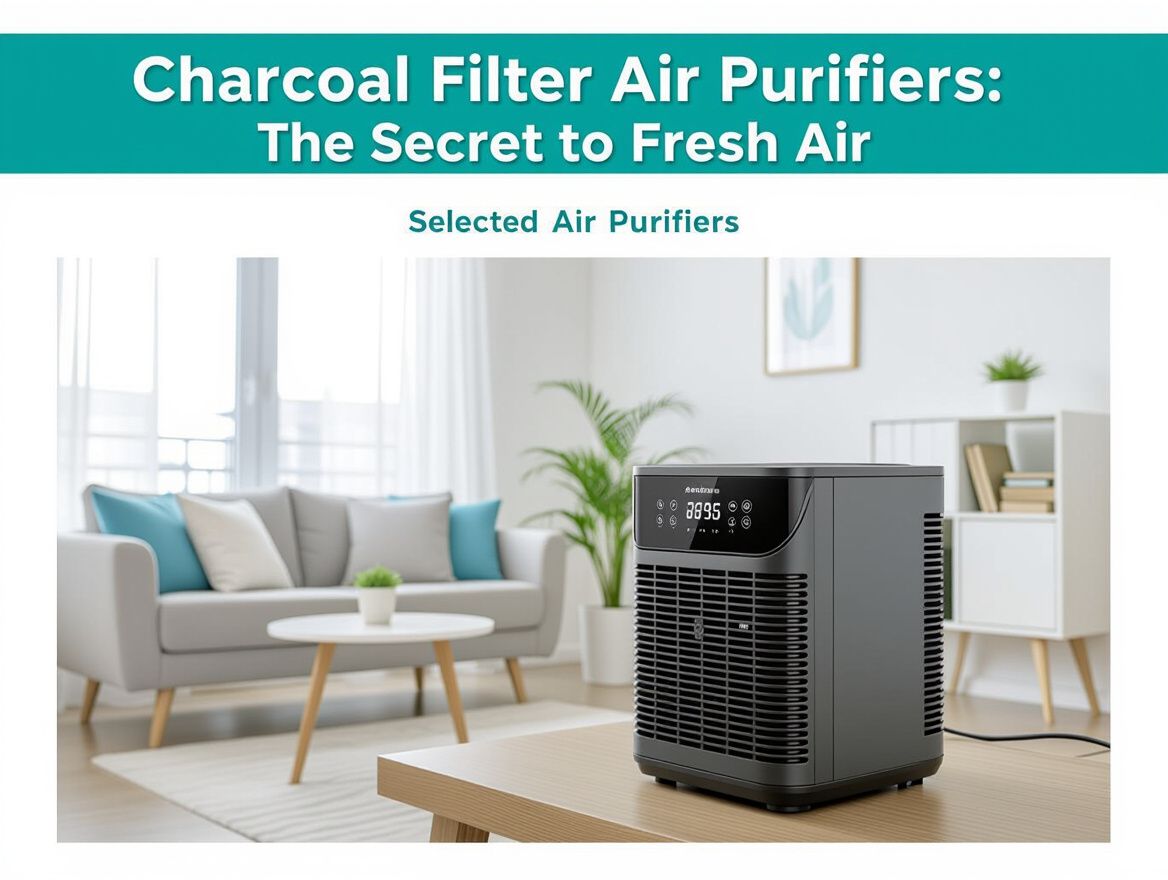
What Are Charcoal Filter Air Purifiers?
Charcoal filter air purifiers are specialized devices that utilize activated carbon to enhance indoor air quality by effectively removing odors and certain gases. These purifiers are particularly useful in environments where unpleasant smells from cooking, pets, or smoke are prevalent. The activated carbon works by adsorbing pollutants onto its surface, thereby neutralizing undesirable odors and reducing airborne chemicals.
The basic mechanism of activated carbon filters involves a process known as adsorption, where pollutants adhere to the surface of the carbon material. This process is particularly efficient for volatile organic compounds (VOCs) and other gaseous contaminants. However, it’s important to note that while charcoal filters excel at removing odors, they do not capture particulate matter like dust or allergens unless coupled with a HEPA filter.
Improving indoor air quality is vital for health and comfort, especially since many people spend a significant amount of time indoors. Poor air quality can lead to various health issues, including respiratory problems and allergic reactions. By incorporating charcoal filter air purifiers into your home, you can create a more pleasant and healthier living environment, making them an essential consideration for consumers focused on air purification solutions.
How Charcoal Filters Work
Charcoal filter air purifiers utilize activated carbon to effectively remove odors and harmful gases from indoor air. The process relies on adsorption, where pollutants adhere to the surface of the activated carbon particles. This method is particularly effective for volatile organic compounds (VOCs), smoke, and other unpleasant odors, making it a popular choice for households seeking fresher air.
Adsorption Process
- Activated Carbon: Made from organic materials like charcoal or coconut shells, activated carbon is processed to create a vast network of tiny pores. This increases its surface area, allowing it to trap more contaminants.
- Mechanism: When air passes through the filter, pollutants stick to the carbon surfaces, thereby purifying the air. Unlike absorption, which involves the entire volume of a substance, adsorption is limited to the surface, making it highly efficient for specific gases and odors.
Comparison with Other Filtration Methods
While HEPA filters excel at trapping particulate matter like dust and allergens, they do not address gases or odors. Charcoal filters complement HEPA systems by targeting these additional pollutants. However, they often require frequent replacements—typically every three months—to maintain effectiveness, which is a key consideration for potential buyers.
Benefits of Charcoal Filters
- Odor Removal: Charcoal filters are particularly effective at neutralizing unpleasant smells from cooking, pets, and smoke.
- Chemical Absorption: They can capture harmful chemicals from cleaning products and building materials, contributing to improved indoor air quality.
- Versatility: Many air purifiers combine HEPA and charcoal filters, providing a comprehensive solution for both particulate and gaseous pollutants.
Understanding these facets of charcoal filter air purifiers can help consumers make informed decisions based on their specific air quality needs, weighing the benefits against the maintenance requirements and potential limitations of these systems.
Key Features to Look for in Charcoal Filter Air Purifiers
When selecting a charcoal filter air purifier, understanding the essential features can significantly enhance your indoor air quality. Here’s a checklist of critical aspects to consider:
-
Filter Lifespan and Replacement Frequency: Charcoal filters typically require replacement every three months to maintain effectiveness. Check the manufacturer's recommendations and consider your ability to manage regular maintenance.
-
Combination with HEPA Filters: For optimal performance, look for models that combine charcoal filters with HEPA filters. This pairing ensures that both odors and particulate matter, such as dust and allergens, are effectively removed from the air.
-
CADR Ratings and Room Size Compatibility: The Clean Air Delivery Rate (CADR) indicates how quickly an air purifier can clean the air in a specific room size. Ensure the CADR ratings align with your room's dimensions, typically requiring at least two-thirds of the room's area for effective purification.
-
Brand Reputation and Customer Reviews: Research the brand's reputation and read customer reviews to gauge the reliability and performance of the air purifier. Brands with a history of quality products and positive feedback are often more trustworthy.
By considering these features, you can make a more informed decision tailored to your specific indoor air quality needs.
Potential Risks and Limitations of Charcoal Filter Air Purifiers
While charcoal filter air purifiers are popular for their ability to reduce odors and certain gases, they come with specific limitations that potential buyers should consider. Understanding these risks can help you make a more informed decision.
-
Effectiveness Limited to Specific Pollutants: Charcoal filters excel at adsorbing volatile organic compounds (VOCs) and odors, but they are not universally effective against all air pollutants. For instance, they may not significantly reduce particulate matter, allergens, or biological contaminants like mold and bacteria. Therefore, pairing them with HEPA filters is often necessary for comprehensive air purification.
-
Frequent Replacement Needs: Activated carbon filters typically require replacement every three months to maintain their effectiveness. This can lead to ongoing maintenance costs and inconvenience. Users should factor in these replacement schedules when evaluating the overall cost and practicality of using charcoal filter air purifiers.
-
User Complaints Regarding Odor Removal: Some users report dissatisfaction with the odor removal capabilities of charcoal filters, particularly when the filters become saturated. Once a charcoal filter reaches its adsorption capacity, it can release trapped odors back into the air instead of removing them. This underscores the importance of regular maintenance and timely filter replacements to ensure optimal performance.
By weighing these risks and limitations against your specific air quality needs, you can better assess whether a charcoal filter air purifier aligns with your expectations and requirements.
Comparing Charcoal Filter Air Purifiers to Other Options
When evaluating air purifiers, understanding how charcoal filter models compare to alternative technologies is crucial for making an informed decision. Charcoal filter air purifiers excel at removing odors and volatile organic compounds (VOCs) but may not address all airborne pollutants effectively. Here’s a breakdown of how they stack up against other air purification options:
Charcoal Filters vs. HEPA-Only Purifiers
- Filtration Focus: HEPA filters are designed to trap particles like dust, pollen, and pet dander, capturing 99.97% of particles as small as 0.3 microns. In contrast, charcoal filters target gases and odors, making them complementary rather than directly competitive.
- Best Use Cases: For households dealing with strong odors (e.g., cooking smells, pet scents), charcoal filters are beneficial. However, for allergy sufferers, HEPA filters are essential for particle removal.
Pros and Cons of UV and Ionizer Purifiers
- UV Purifiers: These use ultraviolet light to kill bacteria and viruses. While they can enhance air safety, they do not remove particulates or odors effectively. Combining UV with charcoal filters can provide a more comprehensive solution.
- Ionizer Purifiers: Ionizers release charged ions to attract and neutralize particles. They can be effective for dust and smoke but may produce ozone, which can be a respiratory irritant. Unlike charcoal filters, they do not specifically target odors.
Best Use Cases for Charcoal Filters
- Odor Removal: Ideal for kitchens, pet areas, and spaces with strong odors, charcoal filters excel in environments where gaseous pollutants are a concern.
- Supplementary Use: When paired with HEPA filters, charcoal filters enhance overall air quality by targeting both particles and gases, offering a well-rounded solution for indoor air purification.
Trade-Offs and Considerations
- Replacement Frequency: Charcoal filters require more frequent replacement (every three months) compared to some HEPA filters, which can last up to a year. This is an important factor for ongoing maintenance and cost.
- Limited Particle Filtration: While effective for odors, charcoal filters do not capture particulate matter. Thus, users may need to consider additional filtration methods for comprehensive air quality improvement.
Understanding the strengths and limitations of charcoal filter air purifiers compared to other types can help consumers choose the best solution tailored to their specific air quality needs.
Frequently Asked Questions About Charcoal Filter Air Purifiers
What buyer problem does charcoal filter air purifiers solve?
Charcoal filter air purifiers primarily address the issue of indoor air quality by effectively removing odors and volatile organic compounds (VOCs) from the air. Unlike standard mechanical filters, which focus on particulate matter like dust and allergens, charcoal filters utilize activated carbon to absorb gases and unpleasant smells. This makes them particularly beneficial for environments with cooking odors, pet smells, or smoke.
How often should charcoal filters be replaced?
To maintain optimal performance, charcoal filters typically need to be replaced every three months. However, this can vary based on usage and the level of pollutants in the environment. Signs that a replacement is needed include a noticeable return of odors or reduced airflow. Regular maintenance ensures that the air purifier continues to function effectively and provides fresh air.
Do charcoal filters remove allergens?
While charcoal filters excel in odor and gas removal, they are not specifically designed to capture allergens like pollen, pet dander, or dust mites. To effectively reduce allergens in the air, charcoal filters are often paired with HEPA filters, which are capable of trapping fine particles. This combination allows for a more comprehensive approach to improving indoor air quality, addressing both gases and particulates.
By understanding these aspects of charcoal filter air purifiers, consumers can make more informed decisions about their air quality needs and ensure they choose the right solution for their specific environments.
Making the Right Choice for Your Air Quality Needs
Charcoal filter air purifiers are a valuable option for improving indoor air quality, particularly when it comes to eliminating odors and harmful gases. They are known for their ability to absorb volatile organic compounds (VOCs) and other pollutants, making them effective in environments where these are a concern. However, it's essential to weigh their benefits against potential limitations to make an informed purchase.
Key Considerations:
-
Personal Air Quality Needs: Assess your specific requirements. If you live in an area with high levels of smoke, chemical odors, or pet dander, a charcoal filter air purifier may be especially beneficial. However, consider whether you need additional filtration, such as HEPA filters, for particulate matter.
-
Maintenance and Replacement: Charcoal filters require regular replacement, typically every three months. Factor this ongoing cost and maintenance effort into your decision-making process.
-
Complementary Technologies: While charcoal filters excel at removing odors, they may not effectively tackle all airborne particles. Pairing them with HEPA filters can enhance overall air purification, but this may increase the initial investment and maintenance needs.
Final Thoughts:
When choosing a charcoal filter air purifier, consider your unique living conditions, the types of pollutants you wish to address, and the maintenance involved. By aligning your purchase with these factors, you can select a model that best fits your air quality needs, ensuring a healthier indoor environment for you and your family.