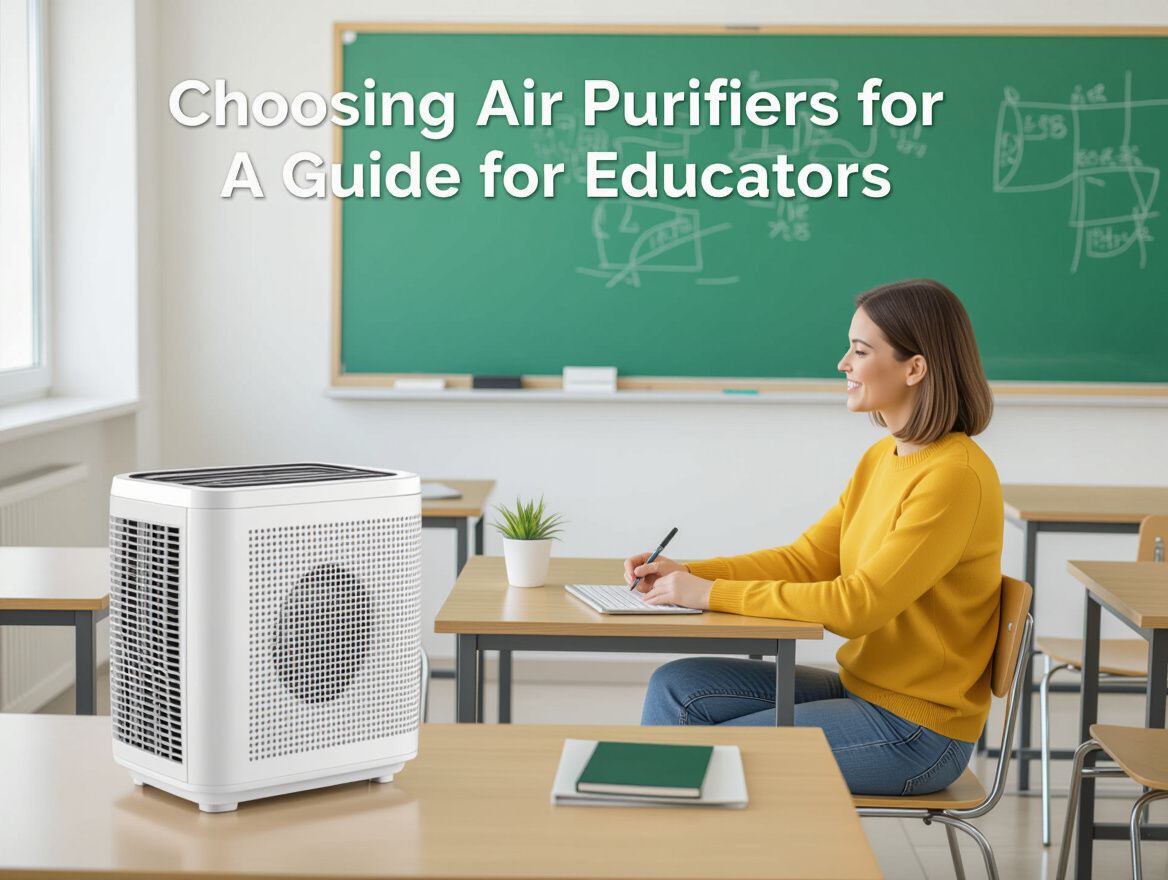
Choosing Air Purifiers for Classrooms: A Guide for Educators
Understanding the Importance of Air Quality in Classrooms
Air quality in classrooms is crucial for fostering a healthy learning environment. Poor air quality can lead to a range of issues, including respiratory problems, fatigue, and decreased concentration, impacting student health and academic performance. Common air quality issues in classrooms include dust, allergens, and volatile organic compounds (VOCs) from materials and furnishings, all of which can contribute to a less conducive learning atmosphere.
Using air purifiers in educational settings offers several benefits:
- Enhanced Health: Air purifiers can reduce airborne pollutants, which is especially important for students with allergies or asthma.
- Improved Focus: Cleaner air can lead to better concentration and cognitive performance, helping students to engage more effectively in their studies.
- Reduced Absenteeism: Healthier air quality may contribute to fewer illnesses among students and staff, leading to lower absentee rates.
When considering air purifiers for classrooms, it's essential to weigh various factors, such as filter type, noise level, and maintenance requirements. Selecting the right air purifier can significantly enhance the overall air quality and, consequently, the learning experience for students.
Key Features to Consider When Selecting Air Purifiers
When choosing air purifiers for classrooms, it's crucial to focus on features that ensure effective air quality management without disrupting the learning environment. Here’s a checklist of essential criteria to evaluate:
-
HEPA Filter Efficiency and Certification: Look for air purifiers equipped with HEPA filters, which can capture at least 99.97% of particles as small as 0.3 microns. Ensure that the product is certified, as this guarantees compliance with industry standards.
-
Noise Levels and Operational Sound: Consider the decibel (dB) rating of the air purifier. Models operating at lower noise levels (around 30-50 dB) are preferable, as excessive noise can distract students and teachers alike. Aim for units that are specifically designed for quiet operation.
-
Air Changes Per Hour (ACH) and Room Size Compatibility: Check the ACH rating, which indicates how many times the air purifier can filter the entire volume of air in a room within an hour. Select a model that matches the classroom size to ensure adequate air circulation and purification.
-
Ease of Maintenance and Filter Replacement: Choose air purifiers that offer straightforward maintenance procedures. Look for models with easily accessible filters and clear indicators for when replacements are needed. Regular filter changes are essential for maintaining efficiency.
By assessing these features, educators and administrators can make informed decisions that enhance classroom air quality while minimizing disruption.
Analyzing the Trade-offs of Different Air Purifier Types
When selecting air purifiers for classrooms, understanding the trade-offs between various technologies is crucial. Each type of air purifier has its strengths and weaknesses, which can significantly affect classroom air quality and the overall learning environment.
HEPA vs. Activated Carbon Filters
-
HEPA Filters: High-Efficiency Particulate Air (HEPA) filters are renowned for trapping small particles, including dust, pollen, and even some bacteria and viruses. They are essential for maintaining high air quality in classrooms, especially during allergy seasons or flu outbreaks.
- Pros: Effective at removing particulate matter, low maintenance, and generally quiet operation.
- Cons: They do not remove odors or gases, which can be a drawback in environments with strong smells or volatile organic compounds (VOCs).
-
Activated Carbon Filters: These filters excel at absorbing odors and gases, making them suitable for classrooms where air freshness is a priority.
- Pros: Excellent for odor control and VOC removal, enhancing overall air quality.
- Cons: Less effective at capturing small particulates compared to HEPA filters and require more frequent replacement.
UV-C Light Technology
UV-C light air purifiers utilize ultraviolet light to kill or deactivate pathogens in the air. While this technology can enhance air safety, it comes with considerations that educators should evaluate.
- Pros: Can significantly reduce microbial contamination, providing an additional layer of protection against airborne viruses and bacteria.
- Cons: Potential for ozone production, which can aggravate respiratory issues, particularly in sensitive individuals such as children. Additionally, the effectiveness of UV-C light can be limited by factors like exposure time and lamp maintenance.
Size and Portability
The size and portability of air purifiers are vital factors in classroom settings. Choosing the right unit can impact its effectiveness and ease of use.
- Size: Larger units may be necessary for classrooms with higher ceilings or larger square footage to ensure adequate air circulation and purification.
- Portability: Portable models allow for flexibility in placement and can be moved between classrooms as needed. However, they may have lower capacity and filtration power compared to stationary units.
In summary, educators should weigh the benefits and drawbacks of HEPA and activated carbon filters, consider the implications of UV-C technology, and assess the size and portability of air purifiers to find the right fit for their classrooms. Balancing these factors will help ensure a healthier and more conducive learning environment for students.
Potential Risks and Considerations
When selecting air purifiers for classrooms, it’s crucial to acknowledge potential risks and limitations that could affect overall air quality and classroom dynamics.
-
Noise Levels: Many air purifiers can produce significant noise, which may disrupt learning environments. Reports indicate that some educators find the noise level distracting, leading to 70% of teachers opting to turn off the devices during lessons. It's essential to consider models designed for quiet operation, especially in settings where concentration is key.
-
Limited Air Quality Coverage: Air purifiers are not a one-size-fits-all solution. While they can effectively reduce particulate matter, they may not address all air quality concerns, such as volatile organic compounds (VOCs) or gases like ozone, which can be harmful in high concentrations. Understanding the specific air quality issues in your classroom is vital for making an informed choice.
-
Proper Sizing and Placement: The effectiveness of an air purifier is highly dependent on its size and placement within the classroom. Larger spaces may require more powerful units with higher cubic feet per minute (CFM) ratings to ensure adequate air circulation. Improper placement can lead to inefficiencies, reducing the purifier's overall effectiveness in improving air quality.
By considering these factors, educators can make more informed decisions that enhance air quality while minimizing disruptions and risks in the classroom environment.
Frequently Asked Questions about Classroom Air Purifiers
What specific air quality problems do air purifiers address?
Classroom air purifiers primarily target airborne pollutants such as dust, allergens, bacteria, viruses, and volatile organic compounds (VOCs). Effective models often utilize HEPA filters, which can capture particles as small as 0.3 microns, including pollen and smoke. Additionally, some purifiers may include activated carbon filters to reduce odors and chemical vapors, contributing to a healthier learning environment for students and teachers alike.
How often should filters be replaced?
The frequency of filter replacement depends on the specific air purifier model and the classroom's air quality conditions. Generally, HEPA filters should be replaced every 6 to 12 months, while pre-filters, if present, may need changing every 1 to 3 months. Regular maintenance is crucial to ensure the air purifier operates at peak efficiency, so educators should consult the manufacturer's guidelines for specific recommendations.
Are there specific brands recommended for classroom use?
While the market offers various brands, it is essential to focus on models that prioritize quiet operation and effective filtration without disrupting the classroom environment. Look for air purifiers that are HEPA-certified and have a suitable Clean Air Delivery Rate (CADR) for the classroom size. Although specific brand recommendations may vary, educators should seek models that have received positive feedback from other schools regarding reliability and performance in educational settings.
Making an Informed Decision
As educators and school administrators consider air purifiers for classrooms, it's crucial to understand the significant role of air quality in enhancing student health and learning environments. Clean air can reduce the transmission of airborne illnesses, improve focus, and create a more comfortable atmosphere for both students and teachers.
When selecting an air purifier, keep these key factors in mind:
- Filtration Efficiency: Look for models with HEPA filters, which can trap 99.97% of particles as small as 0.3 microns. This is particularly important in classroom settings where allergens and pathogens may be present.
- Noise Levels: Air purifiers can be noisy, which may disrupt classroom activities. Choose quieter models that maintain effective air purification without becoming a distraction.
- Room Size Compatibility: Ensure the air purifier's Clean Air Delivery Rate (CADR) is suitable for the classroom size. Larger rooms may require more powerful units to ensure adequate air circulation.
- Maintenance Requirements: Regular filter replacements are essential for optimal performance. Consider models that offer easy access to filters and clear maintenance indicators.
Balancing these features with potential risks—such as noise disruption or inadequate coverage—will empower educators to make informed decisions. By thoughtfully evaluating the specific needs of your classroom, you can select an air purifier that not only enhances air quality but also supports a conducive learning environment.