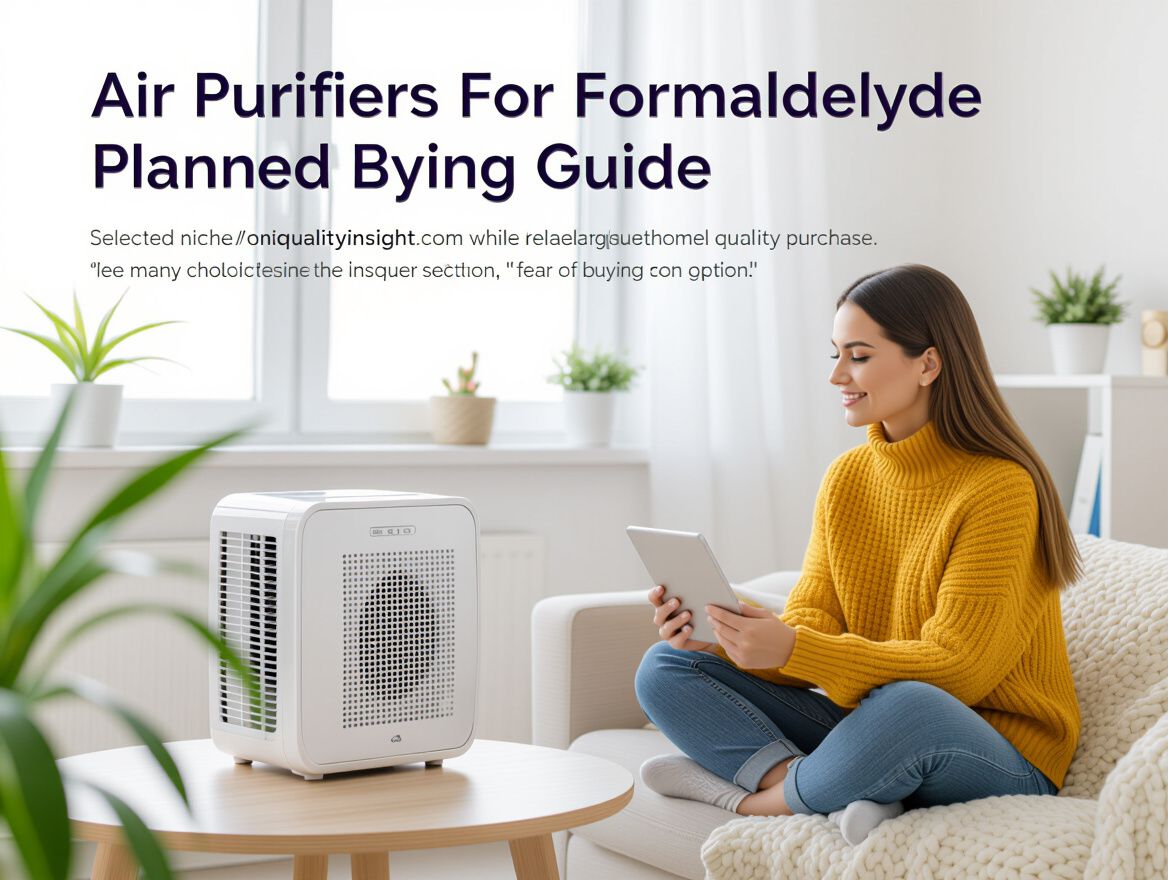
Formaldehyde Air Purifiers: Essential for Healthier Indoor Air
Understanding Formaldehyde and Its Risks
Formaldehyde is a colorless, strong-smelling gas commonly found in many household products and materials. It is often emitted from sources such as pressed wood products (like particleboard and plywood), certain insulation materials, and even some personal care products. The presence of formaldehyde in indoor environments can lead to significant health concerns, making it essential for homeowners and renters to understand its risks.
Exposure to formaldehyde has been associated with a range of health issues. Short-term exposure can cause irritation of the eyes, nose, and throat, while long-term exposure has been linked to more serious conditions, including respiratory problems and an increased risk of certain cancers. For sensitive individuals, such as children or those with pre-existing health conditions, the risks can be even more pronounced.
When considering air purifiers to combat formaldehyde, it’s important to evaluate:
- Source Identification: Understand where formaldehyde is likely to be emitted in your home to target specific areas.
- Health Impact Awareness: Be informed about the symptoms associated with exposure to help recognize potential issues early.
- Air Purifier Features: Look for models with HEPA filters and activated carbon, which are known to be effective in reducing formaldehyde levels.
By addressing the sources of formaldehyde and investing in a suitable air purifier, you can significantly improve indoor air quality and promote a healthier living environment.
Key Features to Look for in Formaldehyde Air Purifiers
When selecting a formaldehyde air purifier, understanding key features is crucial for ensuring effective removal of harmful pollutants. Here are the essential criteria to consider:
-
HEPA Filters: High-Efficiency Particulate Air (HEPA) filters are vital for capturing particulate matter. While they excel at trapping dust, allergens, and other particles, it's important to note that HEPA filters alone may not fully eliminate gaseous pollutants like formaldehyde. Therefore, look for models that combine HEPA filtration with additional technologies.
-
Activated Carbon Filters: These filters are designed to absorb various gases, including some volatile organic compounds (VOCs) such as formaldehyde. However, their effectiveness can be limited; many activated carbon filters do not adequately remove formaldehyde or may require frequent replacement to maintain efficiency. It's essential to check the specifications of the activated carbon used and its capacity for formaldehyde absorption.
-
CCM Value (Cumulative Clean Air Delivery Rate): The CCM value is a critical metric that indicates the total amount of formaldehyde and particulate matter an air purifier can remove before the filter needs replacing. A higher CCM value suggests a longer lifespan and better performance in purifying air. When evaluating options, prioritize models with a proven high CCM value for effective long-term use.
By focusing on these features, you can better assess which formaldehyde air purifier will meet your specific indoor air quality needs while balancing effectiveness and maintenance considerations.
Comparing Different Air Purifier Technologies
When selecting a formaldehyde air purifier, understanding the various technologies available is crucial for making an informed decision. Each technology has its own strengths and weaknesses in effectively removing formaldehyde from indoor air. The three most commonly used technologies include HEPA filters, activated carbon filters, and photocatalytic filters.
HEPA Filters
- Effectiveness: HEPA (High-Efficiency Particulate Air) filters are excellent for capturing airborne particles, including dust, pollen, and some larger VOCs (Volatile Organic Compounds). However, they are not specifically designed to remove gases like formaldehyde.
- Pros:
- Highly efficient at trapping particulate matter.
- Helps improve overall air quality by reducing allergens.
- Cons:
- Does not effectively eliminate gases or odors.
- Requires a combination with other technologies for comprehensive formaldehyde removal.
Activated Carbon Filters
- Effectiveness: Activated carbon filters work by adsorbing gases, including some VOCs. However, their efficiency against formaldehyde can vary significantly depending on the filter's design and carbon quality.
- Pros:
- Can reduce odors and some toxic gases, making it a popular choice for general air purification.
- Often used in combination with HEPA filters for improved overall performance.
- Cons:
- Limited effectiveness against formaldehyde; some models may not capture it adequately.
- Requires regular replacement to maintain effectiveness, which can add to ongoing costs.
Photocatalytic Filters
- Effectiveness: Photocatalytic oxidation (PCO) filters use UV light to activate a catalyst that breaks down pollutants at a molecular level, including formaldehyde. This technology can be effective in reducing indoor air pollutants.
- Pros:
- Capable of breaking down formaldehyde and other harmful VOCs into harmless substances.
- Generally low maintenance once installed.
- Cons:
- May produce byproducts that are harmful if not properly managed.
- Effectiveness can depend on the intensity and duration of UV light exposure.
Conclusion
Choosing the right air purifier for formaldehyde removal involves weighing the effectiveness of each technology against your specific needs and budget. While HEPA filters excel at capturing particles, they fall short in gas removal. Activated carbon filters can help with odors but may not sufficiently address formaldehyde, while photocatalytic filters offer a more comprehensive solution but come with potential risks. It's essential to consider these factors to ensure the air purifier you select aligns with your indoor air quality goals.
Potential Risks of Using Air Purifiers
While formaldehyde air purifiers can significantly improve indoor air quality, it's essential to be aware of potential downsides and considerations associated with their use. Understanding these risks can help you make an informed decision that aligns with your health and environmental needs.
-
Byproducts Emission: Some air purifiers, particularly those using certain technologies like ionizers or ozone generators, may produce harmful byproducts. Ozone, for example, can exacerbate respiratory issues and create additional indoor air pollution. It's crucial to select models that do not emit harmful substances while effectively removing formaldehyde.
-
Maintenance and Filter Replacement: Regular maintenance is vital for the efficient operation of air purifiers. Neglecting to replace filters as recommended can lead to reduced effectiveness and may even allow pollutants, including formaldehyde, to circulate back into the air. Check the manufacturer's guidelines for filter replacement intervals and ensure you can easily access replacement filters.
-
Noise Levels: Some air purifiers can be noisy, which may be a concern for those sensitive to sound or using the purifier in a bedroom or quiet space. Consider the noise levels of different models, especially if you plan to run the purifier continuously.
-
Initial Costs and Long-term Expenses: While investing in a quality air purifier is beneficial, the initial purchase price can be significant. Additionally, factor in ongoing costs for filter replacements and maintenance. Be sure to evaluate how these costs fit into your budget over time.
By carefully considering these risks and trade-offs, you can choose a formaldehyde air purifier that not only meets your specific air quality needs but also aligns with your lifestyle and financial constraints.
Frequently Asked Questions About Formaldehyde Air Purifiers
How do I know if my air purifier is effective against formaldehyde?
To assess the effectiveness of an air purifier against formaldehyde, look for the following features:
- CCM Value: This stands for Cumulative Clean Air Delivery Rate, indicating the total amount of formaldehyde the purifier can handle before the filter needs replacement. A higher CCM value suggests better longevity and effectiveness.
- Filter Type: Effective air purifiers often use a combination of HEPA filters and activated carbon. While HEPA filters capture particulate matter, activated carbon is essential for absorbing gases like formaldehyde.
- Certification: Seek products that have been independently tested and certified for formaldehyde removal.
What size air purifier do I need for my space?
Choosing the right size air purifier is crucial for optimal performance. Consider these guidelines:
- Room Size: Measure the dimensions of your room and select an air purifier rated for that square footage. Many manufacturers provide a recommended coverage area on the product specifications.
- Air Changes Per Hour (ACH): Look for models that can achieve at least 4-5 air changes per hour in your space size. This means the air purifier can filter the entire volume of air in the room several times within an hour.
- Ceiling Height: If your ceilings are higher than average, you may need a model that can accommodate the increased volume of air.
Are there specific brands that are better for formaldehyde removal?
While many brands offer air purifiers, some are noted for their effectiveness against formaldehyde:
- Filter Technology: Brands that incorporate advanced carbon filtration and have high CCM ratings are generally more effective. Research models from reputable brands that specifically advertise formaldehyde removal capabilities.
- User Reviews: Check consumer reviews and expert analyses to gauge real-world performance. Look for feedback specifically on formaldehyde removal, as this can vary significantly between models.
- Warranty and Support: Consider brands that provide a solid warranty and customer support, as this can be indicative of their confidence in the product's longevity and effectiveness.
By understanding these key points, you can make a more informed decision when selecting a formaldehyde air purifier that best suits your needs and budget.
Making an Informed Decision on Air Purifiers
Choosing the right formaldehyde air purifier is crucial for ensuring healthier indoor air quality. Here are key points to consider that will help you make an informed decision:
-
Filter Types: Look for air purifiers equipped with HEPA filters combined with activated carbon. These filters are effective in trapping formaldehyde and other volatile organic compounds (VOCs). Be cautious of models that may produce harmful byproducts during operation.
-
Area Coverage: Assess the size of the space you wish to purify. Air purifiers vary in their coverage area, and selecting one that matches your room size is essential for optimal performance.
-
Filter Lifespan and Replacement Costs: Consider the longevity of the filters and the cost of replacements. Models with longer-lasting filters may save you money in the long run, but ensure they maintain high efficiency for formaldehyde removal.
-
Noise Levels: If noise is a concern, especially in shared or quiet spaces, check the decibel levels of the air purifier. Some units are designed to operate quietly, which can be beneficial for bedrooms or offices.
-
Specific Needs: Reflect on your unique circumstances, such as allergies, sensitivities, or the presence of pets. These factors can influence the type of air purifier that best suits your household.
Before purchasing, it’s important to evaluate these criteria against your specific needs and budget. By doing so, you can select a formaldehyde air purifier that not only fits your space but also effectively improves your indoor air quality, contributing to a healthier living environment.