How Air Purifiers Help with Dust Removal: A Comprehensive Guide
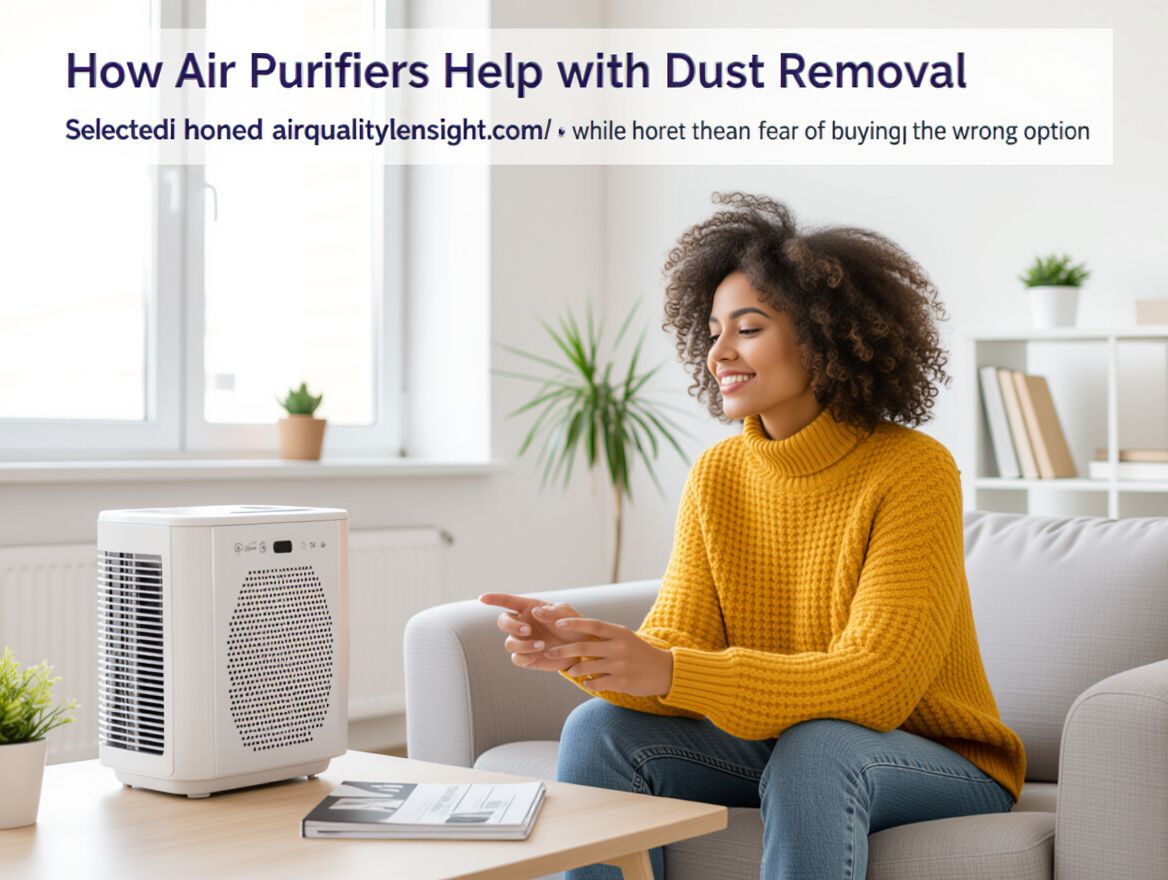
Understanding Dust and Its Impact on Indoor Air Quality
Dust is a common yet often overlooked component of indoor air pollution. It consists of tiny particles that can originate from various sources, such as skin flakes, textiles, dust mites, and outdoor pollutants that infiltrate your home. For individuals with allergies or asthma, these particles can exacerbate symptoms and lead to significant discomfort.
Health Implications of Dust
The presence of dust in indoor environments can have dire consequences for air quality and overall health, particularly for those sensitive to allergens. Here are some critical points to consider:
- Allergic Reactions: Dust contains allergens like pollen, mold spores, and pet dander, which can trigger reactions in sensitive individuals. Symptoms may include sneezing, runny nose, and itchy eyes.
- Respiratory Issues: Prolonged exposure to dust can lead to respiratory problems, including asthma attacks and chronic bronchitis, especially in vulnerable populations such as children and the elderly.
- Cumulative Effects: Over time, the buildup of dust can contribute to poor air quality, leading to a less healthy living environment. This is particularly concerning in homes with limited ventilation.
Understanding these impacts underscores the importance of maintaining a clean indoor environment, making the selection of effective air purifiers for dust removal a crucial consideration for consumers seeking relief from allergens and improved air quality.
Key Criteria for Choosing Air Purifiers for Dust Removal
When selecting an air purifier specifically for dust removal, it is essential to consider several key features that will ensure effective performance, particularly for allergy sufferers and those seeking improved indoor air quality. Here are the primary criteria to evaluate:
-
HEPA Filters: Look for air purifiers equipped with True HEPA filters, which are designed to capture at least 99.97% of particles as small as 0.3 microns. This includes common dust components such as pollen, pet dander, and dust mite debris. The effectiveness of HEPA filters is supported by research, making them a critical feature.
-
CADR Ratings: The Clean Air Delivery Rate (CADR) measures the volume of filtered air delivered by the purifier. Higher CADR ratings for dust indicate better performance in removing dust particles from the air. For optimal results, choose a model with a CADR that matches or exceeds the size of the room where it will be used.
-
Coverage Area: Consider the size of the space you intend to purify. Air purifiers are rated for specific room sizes, so it is important to select one that can efficiently cover your intended area. A unit that is too small may struggle to provide adequate air quality.
-
Continuous Operation: For maximum dust removal, look for models that can run continuously without overheating. This is particularly important in homes where dust accumulation is frequent, as ongoing filtration will help maintain cleaner air.
-
Filter Replacement Schedule: Regular maintenance is crucial. Check the manufacturer's recommendations for filter replacement frequency to ensure the air purifier continues to operate effectively. A model with easily accessible filters will make this process simpler.
By understanding these criteria, you can make informed decisions when selecting an air purifier tailored to combat dust, ultimately improving your indoor air quality and alleviating allergy symptoms.
Understanding Trade-offs and Limitations of Air Purifiers
While air purifiers are effective tools for reducing airborne dust, they come with several trade-offs and limitations that consumers should consider before making a purchase. Understanding these factors can help allergy sufferers and those seeking cleaner indoor air make informed decisions.
-
Continuous Operation Requirements: For optimal performance, air purifiers should be operated continuously. This is particularly important for dust removal, as they need time to filter out particles from the air effectively. However, continuous use can lead to increased energy consumption, which might be a concern for some users.
-
Regular Filter Maintenance and Replacements: Air purifiers rely on filters to capture dust and other pollutants. These filters require regular maintenance and timely replacements to maintain efficiency. Neglecting this aspect can lead to reduced performance and may even exacerbate air quality issues. Users should be aware of the maintenance schedule and costs associated with filter replacements.
-
Effectiveness Against Settled vs. Airborne Dust: Air purifiers are primarily designed to tackle airborne dust particles, which can be recirculated throughout the home. However, they are less effective at removing settled dust that accumulates on surfaces. Regular cleaning is still necessary to manage settled dust, as air purifiers cannot eliminate it entirely.
By weighing these trade-offs and limitations, consumers can better understand the role of air purifiers in managing dust and making choices that align with their specific needs and lifestyle.
Determining the Right Fit: Room Size and Airflow Needs
Choosing the right air purifier for dust removal involves understanding how room size and airflow dynamics affect performance. These factors play a crucial role in ensuring that the air purifier effectively reduces airborne dust, particularly for allergy sufferers and those seeking cleaner indoor air.
Assessing Room Size
To optimize dust removal, it's essential to match the air purifier's capacity to the size of the room. Here's how to assess your space:
-
Measure the Room: Calculate the square footage of the area where you plan to use the air purifier. Most manufacturers provide specifications indicating the maximum coverage area for their models.
-
Select a Suitable Model: Choose an air purifier rated for at least the size of your room. If your space is larger than the unit's capacity, it may not filter the air efficiently, leaving dust particles unaddressed.
The Role of Airflow
Airflow is another critical component that enhances an air purifier's ability to remove dust. Consider the following:
-
Air Changes Per Hour (ACH): This metric indicates how many times the air purifier can completely filter the air in a room within an hour. A higher ACH means better dust removal efficacy. For optimal performance, look for units that can achieve at least 4 to 5 air changes per hour in your specific room size.
-
Fan Speed Options: Models with adjustable fan speeds allow you to increase airflow as needed. This flexibility can be particularly useful in high-dust environments or during cleaning activities when dust is stirred up.
Understanding these elements—room size and airflow—will help you select an air purifier that effectively combats dust, ultimately improving indoor air quality and supporting allergy management. By considering the fit of your air purifier to your space and its airflow capabilities, you can make a more informed decision tailored to your air quality needs.
Common Buyer Questions About Air Purifiers for Dust Removal
When considering air purifiers for dust removal, potential buyers often have specific questions that can impact their purchasing decisions. Addressing these concerns can help clarify the effectiveness and suitability of these devices, particularly for those with dust allergies.
What specific dust removal problems do air purifiers solve?
Air purifiers primarily address airborne dust particles, including allergens like pollen, pet dander, and dust mite debris. They are particularly beneficial for individuals suffering from dust allergies, as they help reduce the concentration of these irritants in the air. However, it's important to note that while air purifiers can significantly improve air quality, they do not eliminate settled dust on surfaces. Regular cleaning practices, such as dusting and vacuuming, should still be maintained to manage dust accumulation effectively.
What are the key differences between various air purifier models?
Different air purifier models vary in several aspects that affect their performance for dust removal:
- Filter Type: Models equipped with True HEPA filters are more effective at capturing fine particles compared to those using standard filters.
- CADR Ratings: The Clean Air Delivery Rate (CADR) indicates how quickly an air purifier can filter dust from the air. Higher CADR ratings suggest better efficiency.
- Coverage Area: Some models are designed for larger spaces, while others may be more suitable for smaller rooms. Choosing a model with the appropriate coverage is critical for effectiveness.
- Noise Levels: The operational noise can vary, which is an important consideration for users who prefer quieter environments.
How do air purifiers compare to other dust removal methods?
While air purifiers are effective for reducing airborne dust, they complement rather than replace other dust removal methods. Traditional cleaning methods, such as vacuuming with HEPA filters and regular dusting, remain essential for managing settled dust. Air purifiers provide continuous air filtration, which can be particularly advantageous in homes where dust is a persistent issue. However, relying solely on an air purifier without incorporating regular cleaning may not yield the best results for overall dust management.
By addressing these common questions, buyers can better understand the role of air purifiers in combating dust and make informed decisions based on their specific needs and circumstances.
Making an Informed Decision on Air Purifiers
Choosing the right air purifier for dust removal is crucial for individuals sensitive to allergens and those aiming to enhance their indoor air quality. As you consider your options, it's essential to reflect on your specific needs and the trade-offs involved with different models. Here are some key points to guide your decision:
-
Evaluate Your Space: Assess the size of the room where the air purifier will be used. Models vary in coverage area, and selecting one that matches your space is vital for effective performance. A unit that is too small may not adequately filter dust, while an oversized model may be unnecessary and less efficient.
-
Consider Noise Levels: Depending on where you plan to use the air purifier, noise can be a significant factor. Some units operate quietly, making them suitable for bedrooms or offices, while others may produce more sound. Review the decibel ratings and choose a model that fits your noise tolerance.
-
Maintenance and Upkeep: Regular filter replacement is crucial for maintaining air quality. Consider the accessibility of filters and the frequency of changes required. A model with a straightforward maintenance schedule can save you time and ensure the unit operates at peak efficiency.
-
Energy Consumption: Think about the energy efficiency of the air purifier. Some models consume more power than others, which can impact your electricity bills over time. Look for energy-efficient designs to balance performance with cost-effectiveness.
-
Potential Risks: While air purifiers can significantly reduce dust and allergens, they may also produce ozone or other byproducts depending on the technology used. Research the specific technology of the purifier you are considering to ensure it aligns with your health and safety standards.
By weighing these factors against your personal needs and preferences, you can make a more informed decision when selecting an air purifier for dust removal. Ultimately, the right choice will help create a healthier living environment, alleviating allergy symptoms and enhancing overall air quality.