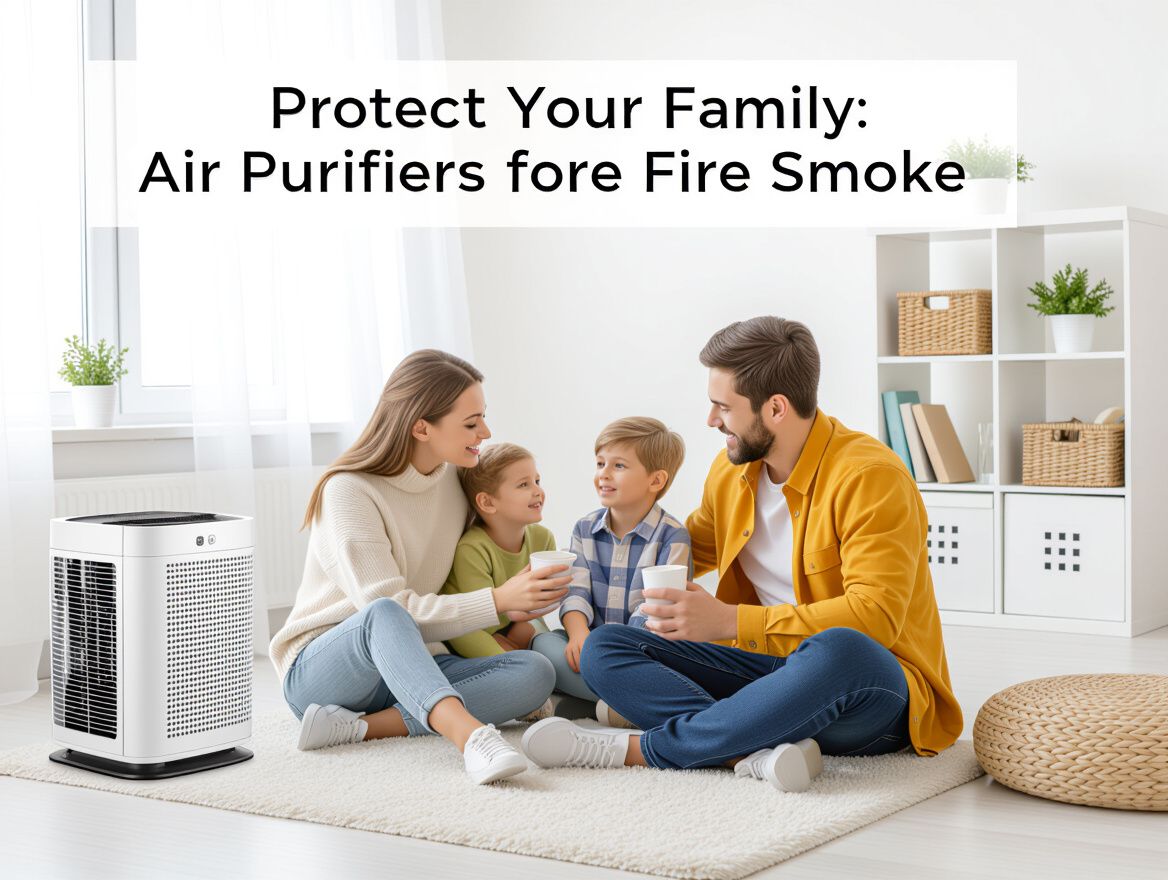
Protect Your Family: Air Purifiers for Forest Fire Smoke
Understanding the Risks of Forest Fire Smoke
During wildfire season, the air quality indoors can deteriorate significantly due to the infiltration of smoke, which contains ultrafine PM2.5 particles. These particles are smaller than 2.5 micrometers and can penetrate deep into the lungs, leading to various health issues, including respiratory problems, cardiovascular diseases, and exacerbation of pre-existing conditions like asthma. The toxic gases associated with wildfire smoke further compound these risks, making it essential for homeowners and renters to take proactive measures.
Addressing indoor air quality becomes crucial during this time, as typical building envelopes may allow smoke to enter, creating a hazardous environment. The following are key considerations when selecting air purifiers for forest fire smoke:
- Filtration Efficiency: Look for air purifiers equipped with True HEPA filters, which are specifically designed to capture PM2.5 particles effectively.
- Activated Carbon: This feature helps in absorbing odors and harmful gases, enhancing overall air quality.
- Clean Air Delivery Rate (CADR): A higher CADR indicates a more efficient air purifier, capable of cleaning the air in your space quickly.
- Sealing: Ensure the air purifier has a fully sealed system to prevent unfiltered air from escaping back into the environment.
By understanding these risks and focusing on these criteria, you can make informed decisions to protect your family's health during wildfire season.
Key Features to Look for in Air Purifiers
When selecting an air purifier specifically designed to combat wildfire smoke, understanding the essential features is crucial for ensuring effective indoor air quality. Here are the key criteria to consider:
-
True HEPA Filters: Look for air purifiers equipped with True HEPA filters (H13 or better). These filters are capable of capturing 99.97% of particles as small as 0.3 microns, including the fine particulate matter (PM2.5) prevalent in wildfire smoke. This makes them essential for minimizing health risks associated with smoke inhalation.
-
Activated Carbon Filters: A high-quality activated carbon filter can significantly enhance the air purifier's ability to remove odors and harmful gases, such as volatile organic compounds (VOCs) that may be released during wildfires. This feature is particularly important for improving the overall air quality in your home.
-
Clean Air Delivery Rate (CADR): The CADR rating indicates how quickly an air purifier can clean the air in a given space. Choose a model with a high CADR, ideally sized for your room's dimensions, to ensure efficient smoke removal. A higher CADR means the purifier can handle larger volumes of air, providing quicker relief from smoke contamination.
-
Fully Sealed Systems: To maximize effectiveness, select an air purifier that has a fully sealed system. This design prevents unfiltered air from leaking back into the room, ensuring that all air passes through the filters. This feature is critical for maintaining clean air in spaces where smoke infiltration is a concern.
By focusing on these key features, you can make a more informed decision when choosing an air purifier to protect your family from the harmful effects of wildfire smoke.
Comparing Different Air Purifier Technologies
When selecting an air purifier for forest fire smoke, understanding the various technologies available is crucial. Each type of air purification technology offers unique benefits and drawbacks, particularly in terms of efficiency, noise levels, and portability. Here’s a breakdown of the most common technologies:
HEPA Filters
- Pros: HEPA filters are highly effective at capturing ultrafine particles, including the PM2.5 particles found in wildfire smoke. A True HEPA filter (H13 or better) can remove at least 99.97% of particles that are 0.3 microns in diameter.
- Cons: While HEPA filters excel at particle removal, they do not eliminate odors or harmful gases unless combined with activated carbon filters.
Activated Carbon Filters
- Pros: These filters are excellent at adsorbing odors and volatile organic compounds (VOCs) that may accompany smoke. They are often used in conjunction with HEPA filters for comprehensive air cleaning.
- Cons: Activated carbon filters have a limited lifespan and require regular replacement to maintain effectiveness.
Ozone Generators
- Pros: Ozone generators can neutralize odors and kill certain airborne pathogens.
- Cons: They can produce harmful ozone, which is detrimental to health, especially for individuals with respiratory issues. Most experts recommend avoiding ozone generators for indoor use, particularly during wildfire events.
Portability and Power Considerations
- Portability: If you need to move your air purifier between rooms or take it with you, consider a lightweight model with a handle. Portable units are particularly useful during wildfire season when air quality can fluctuate rapidly.
- Power: Assess the power consumption of the unit, as some air purifiers can be energy-intensive. Look for energy-efficient models to reduce long-term costs.
Noise Levels and Energy Efficiency
- Noise Levels: Air purifiers can vary significantly in noise output. If you plan to use the unit in a bedroom or a quiet space, check the decibel ratings. Many models offer a "sleep mode" that operates more quietly.
- Energy Efficiency: Look for units with an Energy Star rating to ensure they meet energy efficiency guidelines. This can save you money on utility bills while providing effective air purification.
By evaluating these technologies and their respective strengths and weaknesses, you can make an informed decision on the best air purifier to protect your family from forest fire smoke.
How to Choose the Right Air Purifier for Your Needs
Selecting an air purifier specifically designed to combat the effects of forest fire smoke involves several key considerations. Understanding these factors can help you make an informed decision that best suits your indoor air quality needs during wildfire season.
Assessing Room Size and Air Purifier Capacity
- Room Size: Measure the square footage of the space where you plan to use the air purifier. Most models specify their coverage area, so select one that matches or exceeds your room size for optimal performance.
- Air Changes Per Hour (ACH): Look for purifiers that can perform multiple air exchanges per hour, ideally 4-8 times, to effectively reduce smoke particles. A higher ACH rating ensures that the air is cleaned frequently, which is crucial during wildfire events.
Identifying Specific Health Concerns or Sensitivities
- Health Conditions: If anyone in your household has respiratory issues, such as asthma or allergies, prioritize models with True HEPA filters that can capture ultrafine particles (PM2.5) prevalent in wildfire smoke.
- Vulnerable Populations: Consider the needs of children, the elderly, or pregnant women, who may be more susceptible to the harmful effects of poor air quality.
Considering Budget and Maintenance Costs
- Initial Cost vs. Long-Term Investment: While it may be tempting to go for the cheapest option, investing in a high-quality air purifier can lead to better performance and longevity. Assess the cost of replacement filters and maintenance to understand the total cost of ownership.
- Energy Efficiency: Check for energy-efficient models that can save you money on electricity bills while still providing effective air purification. Look for units with Energy Star ratings for assurance.
By carefully evaluating these criteria, you can select an air purifier that not only fits your budget but also meets your specific air quality needs during wildfire season.
Common Pitfalls and Misconceptions
When selecting air purifiers for forest fire smoke, it's crucial to navigate potential pitfalls and misconceptions that could lead to ineffective choices. Understanding these common issues can help you make a more informed decision and ensure your family’s indoor air quality is protected during wildfire season.
-
Ineffective Models and Brands: Not all air purifiers are created equal. Some models, particularly those that do not use HEPA filters or activated carbon, may fail to capture the ultrafine particles and harmful gases present in wildfire smoke. Be wary of brands that lack clear specifications on their filtration capabilities.
-
Understanding Limitations: Air purifiers are not a cure-all solution. They are designed to reduce the concentration of airborne particles but may not eliminate all pollutants. For example, while HEPA filters can capture particles as small as 0.3 microns, they may not address gases or odors effectively without an accompanying activated carbon filter.
-
Role of Ventilation: Relying solely on air purifiers without considering your home’s ventilation can be misleading. During wildfire season, outdoor air may carry smoke into your home, exacerbating indoor air quality issues. It’s essential to seal windows and doors and limit outdoor air intake when smoke levels are high, while also using air purifiers to manage indoor air quality.
By being aware of these pitfalls, you can better assess which air purifier will suit your needs and help mitigate the risks associated with wildfire smoke exposure.
Frequently Asked Questions About Air Purifiers for Wildfire Smoke
What is the best type of air purifier for wildfire smoke?
For effectively combating wildfire smoke, air purifiers with True HEPA filters are highly recommended. These filters are capable of capturing ultrafine PM2.5 particles, which are prevalent in smoke and can be harmful to health. Additionally, air purifiers that include activated carbon filters can further enhance air quality by absorbing odors and toxic gases associated with wildfire smoke. When selecting an air purifier, ensure it has a high Clean Air Delivery Rate (CADR) to clean the air efficiently in your space.
How often do I need to replace filters?
Filter replacement frequency can vary based on usage and air quality conditions. For air purifiers used during wildfire season, it is advisable to monitor the filters regularly. Generally, HEPA filters should be replaced every 6 to 12 months, while activated carbon filters may need replacement more frequently, often every 3 to 6 months, especially if the air quality is poor. Always refer to the manufacturer's guidelines for specific recommendations.
Can air purifiers help with allergies?
Yes, air purifiers can significantly help with allergies, particularly those triggered by airborne particles like pollen, dust, and smoke. By effectively filtering out these allergens, air purifiers create a healthier indoor environment. However, it's important to choose a model that specifically addresses the types of allergens you are concerned about, such as those commonly found in wildfire smoke.
Final Thoughts on Protecting Your Indoor Air Quality
Choosing the right air purifier for forest fire smoke is essential for maintaining a safe and healthy indoor environment, particularly during wildfire season. As smoke can infiltrate homes and worsen air quality, understanding the key features and considerations is vital for making an informed decision.
When selecting an air purifier, prioritize the following features:
- Filtration System: Ensure it has a True HEPA filter (H13 or better) to effectively capture ultrafine PM2.5 particles, which are prevalent in wildfire smoke.
- Carbon Filtration: An activated carbon filter is crucial for removing odors and harmful gases associated with smoke, improving overall air quality.
- Efficiency Ratings: Look for a high Clean Air Delivery Rate (CADR), as this indicates the purifier's ability to clean the air quickly and effectively.
- Sealing Integrity: A well-sealed system is necessary to prevent unfiltered air from escaping, ensuring that the air you breathe is as clean as possible.
By focusing on these criteria, homeowners and renters can significantly reduce the health risks posed by wildfire smoke. Taking action to improve indoor air quality is not just a precaution; it's an essential step in safeguarding your family's health during wildfire season.