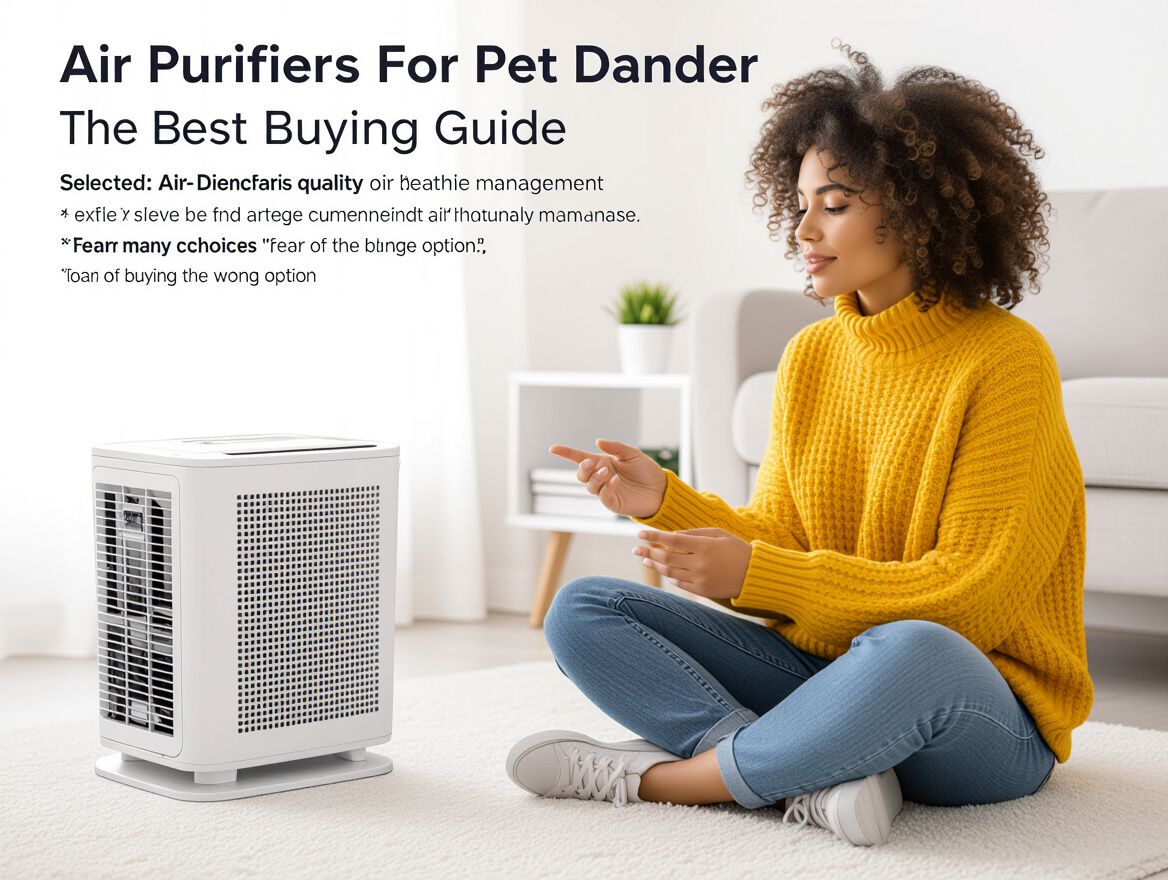
The Benefits of Activated Carbon Filter Air Purifiers for Your Home
Why Choose Activated Carbon Filter Air Purifiers?
Activated carbon filters are a key component in many air purifiers, designed to enhance indoor air quality by capturing a wide range of pollutants. These filters utilize a porous form of carbon that has been treated to increase its surface area, allowing it to adsorb various gases, odors, and volatile organic compounds (VOCs).
Benefits for Indoor Air Quality
- Odor Removal: Activated carbon filters excel at neutralizing unpleasant odors from cooking, pets, and smoke, making them ideal for households where air quality is a concern.
- Chemical Absorption: They effectively capture harmful chemicals, including some VOCs released from household products, contributing to a healthier living environment.
- Enhanced Comfort: By reducing odors and harmful gases, these filters can create a more comfortable and pleasant indoor atmosphere.
Addressing Limitations
While activated carbon filters offer significant benefits, it’s essential to recognize their limitations:
- Not Particle Filters: They do not capture airborne particles like dust, pollen, or pet dander, which means they are often paired with HEPA filters for comprehensive air purification.
- Replacement Frequency: These filters require regular replacement—typically every three months—to maintain their effectiveness, as their adsorption capacity diminishes over time.
In summary, activated carbon filter air purifiers are a valuable option for homeowners and renters seeking to improve indoor air quality, particularly in addressing odors and harmful chemicals. However, understanding their limitations and the necessity of regular maintenance is crucial for optimal performance.
Key Buying Criteria for Activated Carbon Filter Air Purifiers
When selecting an activated carbon filter air purifier, it's crucial to evaluate several key features to ensure you choose a model that meets your specific indoor air quality needs. Here are essential criteria to consider:
-
Filter Effectiveness Against Specific Pollutants: Activated carbon filters excel at adsorbing odors and volatile organic compounds (VOCs), but they are not universally effective. They may struggle with pollutants like formaldehyde, ammonia, and nitrogen oxides. Understanding the specific contaminants in your environment can guide your choice.
-
Filter Replacement Frequency and Maintenance: Activated carbon filters typically need to be replaced every three months to maintain their effectiveness. Be aware of the maintenance requirements and costs associated with filter replacements, as this can impact long-term usability.
-
Size and Coverage Area of the Air Purifier: Ensure the air purifier is suitable for the size of the room where it will be used. Each model has a specified coverage area, so choose one that fits your space to maximize air purification efficiency.
-
Noise Levels and Energy Efficiency: Consider the noise output of the unit, especially if it will be used in bedrooms or quiet spaces. Additionally, check the energy consumption ratings to ensure the purifier is energy-efficient, as this can affect your utility bills over time.
By carefully evaluating these criteria, you can make a more informed decision that aligns with your indoor air quality goals and lifestyle needs.
Understanding Trade-offs and Limitations
While activated carbon filter air purifiers offer several benefits in improving indoor air quality, they also come with notable limitations that homeowners and renters should consider before making a purchase.
-
Ineffectiveness Against Certain Contaminants: Activated carbon filters are primarily designed to capture odors and volatile organic compounds (VOCs). However, they are not effective against all harmful gases, such as formaldehyde, ammonia, or nitrogen oxides. This means that relying solely on these filters may leave certain pollutants unaddressed.
-
Need for Additional Mechanical Filters: Since activated carbon filters do not trap particulate matter like dust, pollen, or pet dander, many air purifiers combine them with mechanical filters (such as HEPA filters) to provide comprehensive coverage. Homeowners should evaluate whether the additional cost and maintenance of these filters fit their needs.
-
Frequency of Filter Replacement and Costs: Activated carbon filters typically require replacement every three months to maintain their effectiveness. This can lead to ongoing costs that homeowners may not have initially budgeted for. It's essential to factor in these replacement costs when considering the long-term investment in an air purifier.
Understanding these trade-offs is crucial for making an informed decision about activated carbon filter air purifiers. By weighing the effectiveness, additional filtration needs, and maintenance costs, you can better assess which product aligns with your specific indoor air quality goals.
Risks and Considerations When Choosing Air Purifiers
When selecting activated carbon filter air purifiers, it's crucial to be aware of potential pitfalls that could affect your indoor air quality and overall satisfaction with the product. Here are some key considerations to keep in mind:
-
Misleading Claims About Filter Effectiveness: Many manufacturers may exaggerate the capabilities of activated carbon filters. While they are effective at capturing certain odors and volatile organic compounds (VOCs), they do not filter out all pollutants. For example, activated carbon filters are generally ineffective against formaldehyde and ammonia. Always consult independent reviews or reliable sources to verify claims before making a purchase.
-
Importance of Verifying Specifications: Not all activated carbon filters are created equal. Look for specifications that detail the amount of activated carbon used, as a higher carbon content typically improves effectiveness. Additionally, keep in mind that these filters need to be replaced regularly—usually every three months—to maintain optimal performance. Check for models that provide clear guidelines on filter lifespan and replacement frequency.
-
Understanding Warranty and Customer Support Options: Before committing to a purchase, review the warranty and customer support offered by the manufacturer. A good warranty can provide peace of mind, especially if the product fails to meet your expectations. Ensure that the company has a responsive customer service team to assist with any issues that may arise after your purchase.
By carefully considering these factors, you can make a more informed decision regarding which activated carbon filter air purifier best suits your needs and expectations.
Frequently Asked Questions About Activated Carbon Filter Air Purifiers
Activated carbon filter air purifiers are popular for improving indoor air quality, but potential buyers often have questions about their effectiveness and limitations. Here are some common inquiries that can help you make an informed decision.
What types of pollutants do activated carbon filters capture?
Activated carbon filters are effective at adsorbing certain gases and odors, including volatile organic compounds (VOCs) and some common household smells. However, they are not designed to capture particulate matter such as dust, pollen, or pet dander. For comprehensive air purification, it's advisable to combine activated carbon filters with HEPA filters, which can tackle solid particles.
How often should filters be replaced?
The lifespan of activated carbon filters is typically around three months, depending on usage and air quality conditions. Over time, the carbon becomes saturated with pollutants, reducing its effectiveness. Regular replacement is crucial to maintain optimal air purification performance, so check your product's guidelines to ensure timely changes.
Can I use an activated carbon filter alone for air purification?
While activated carbon filters can significantly improve air quality by removing odors and certain gases, they should not be used as a standalone solution for comprehensive air purification. They lack the ability to capture airborne particles effectively. For best results, consider a unit that combines activated carbon with other filtration technologies, such as HEPA filters, to address a wider range of indoor air pollutants.
Understanding these aspects can help you evaluate whether an activated carbon filter air purifier fits your needs and how to maximize its effectiveness in your home.
Making an Informed Decision
When considering activated carbon filter air purifiers for your home, it’s crucial to weigh both their benefits and limitations to make an informed choice that aligns with your specific needs.
Key Benefits Recap
- Odor Neutralization: These filters are particularly effective at removing odors from cooking, pets, and smoke, enhancing the overall comfort of your indoor environment.
- Chemical Filtration: Activated carbon filters can absorb certain harmful chemicals and VOCs, contributing to better indoor air quality.
Important Limitations
- Lack of Particle Filtration: While excellent for gases and odors, activated carbon filters do not capture particulate matter like dust or allergens. Therefore, pairing them with HEPA filters is often necessary for comprehensive air purification.
- Maintenance Requirement: Regular replacement of activated carbon filters—typically every three months—is essential to maintain their effectiveness as their adsorption capacity decreases over time.
Considerations for Your Needs
- Evaluate Your Air Quality Concerns: If odors and chemical pollutants are your primary concerns, activated carbon filters are a strong choice. However, if you also need to combat allergens, consider models that include HEPA filtration.
- Assess Replacement Frequency: Ensure you are comfortable with the maintenance requirements, including the cost and effort associated with replacing filters regularly.
Importance of Indoor Air Quality
Improving indoor air quality is vital for health and well-being, particularly in spaces where you spend significant time. By understanding the strengths and limitations of activated carbon filter air purifiers, you can select a model that effectively addresses your specific air quality concerns while fitting into your lifestyle and maintenance preferences.