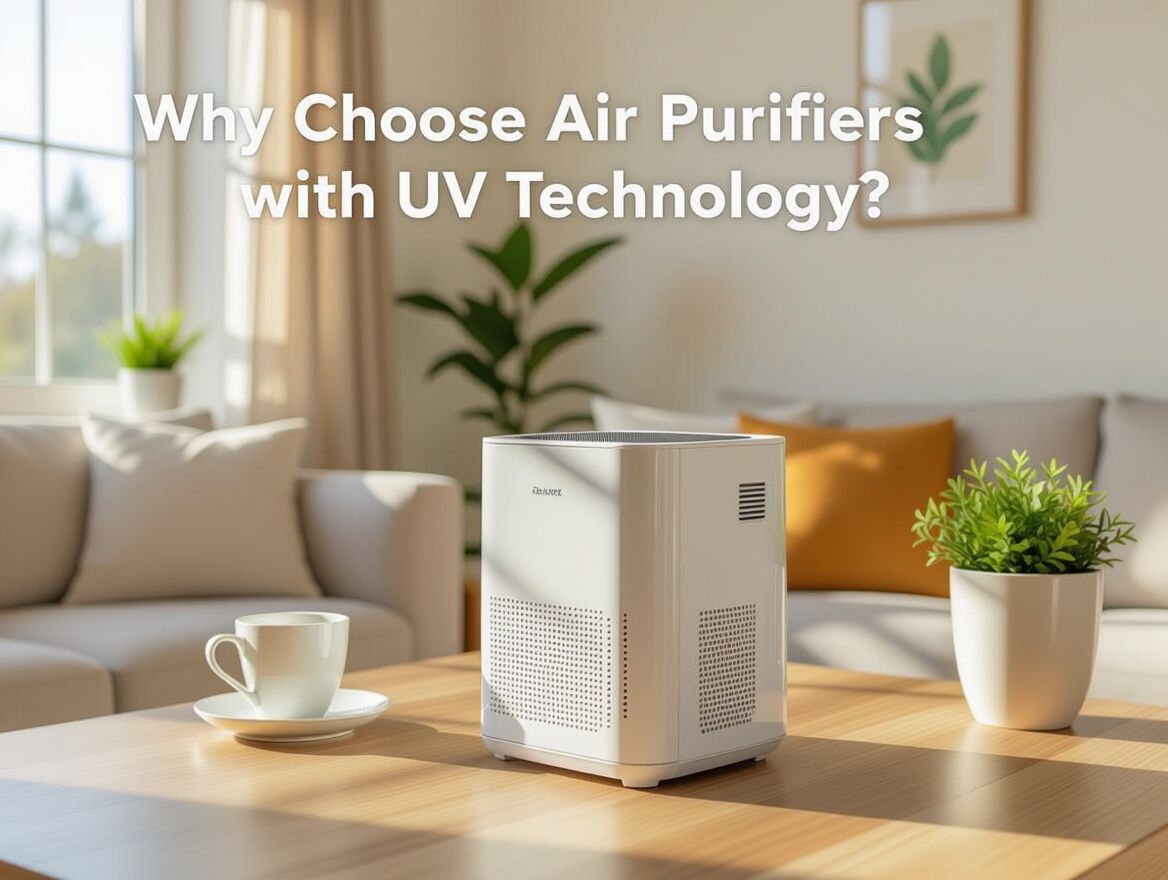
Why Choose Air Purifiers with UV Technology?
Understanding UV Technology in Air Purifiers
Ultraviolet (UV) technology is increasingly integrated into air purifiers to enhance indoor air quality by targeting airborne pathogens. Specifically, UV air purifiers utilize UV-C light, which is effective in destroying bacteria, viruses, and mold spores. The mechanism relies on the exposure of these microorganisms to UV light, which disrupts their DNA or RNA, ultimately neutralizing their ability to reproduce and cause harm.
The importance of maintaining high indoor air quality cannot be overstated, especially as we spend a significant portion of our time indoors. Poor air quality can lead to a range of health issues, from respiratory problems to allergic reactions. Air purifiers, particularly those equipped with UV technology, aim to mitigate these risks by eliminating harmful pathogens and improving overall air cleanliness.
Key Considerations for UV Air Purifiers:
-
Effectiveness: UV technology can be effective against specific pathogens but may not eliminate all pollutants. It often works best in conjunction with HEPA filters, which capture particulate matter, ensuring a more comprehensive approach to air purification.
-
Exposure Time: For UV light to effectively neutralize pathogens, they must be exposed to the light for a sufficient duration. This can be a limitation, as the speed of air circulation in purifiers may reduce exposure time.
-
Ozone Production: Some UV air purifiers can produce ozone, a harmful gas that can exacerbate respiratory issues. It's crucial to choose models that minimize ozone output or are designed to avoid it altogether.
-
Maintenance: Regular cleaning and maintenance are essential to ensure the UV components function effectively. Dust and debris can obstruct the light, diminishing its efficacy.
Evaluating the suitability of UV air purifiers for your specific needs involves understanding these factors, weighing their benefits against potential limitations, and considering how they fit within your overall air quality improvement strategy.
Key Benefits of Air Purifiers with UV Technology
Air purifiers equipped with UV technology offer several advantages that can enhance indoor air quality, particularly in environments where pathogens are a concern. Here are the key benefits to consider when evaluating their effectiveness:
-
Effectiveness Against Bacteria and Viruses: UV air purifiers utilize ultraviolet light to target and neutralize airborne pathogens, including bacteria and viruses. This technology can be particularly beneficial in settings such as hospitals or homes with immunocompromised individuals, where reducing microbial load is crucial.
-
Complementary Role to HEPA Filters: While HEPA filters are effective at trapping particulate matter and allergens, they do not kill pathogens. UV technology complements these filters by providing an additional layer of defense against microorganisms. Together, they can create a more comprehensive air purification system.
-
Potential Allergen Reduction: By reducing the presence of mold spores and bacteria, UV air purifiers may indirectly contribute to lowering allergen levels in the air. This can be beneficial for individuals with allergies or asthma, as fewer airborne irritants can lead to improved respiratory health.
Despite these benefits, it's essential to consider the limitations of UV technology. For instance, UV light requires sufficient exposure time to effectively neutralize pathogens, which may not always be achievable in fast-moving air. Additionally, UV purifiers do not remove particulate matter, so relying solely on them without a HEPA filter may leave some pollutants unaddressed. Understanding these nuances can help consumers make informed decisions tailored to their specific air quality needs.
Limitations and Risks of UV Air Purifiers
While air purifiers with UV technology offer some benefits, they also come with notable limitations and risks that consumers should consider before making a purchase.
-
Ineffectiveness Against Certain Pollutants: UV air purifiers primarily target microorganisms such as bacteria and viruses. However, they are generally ineffective against particulate matter, allergens, and certain volatile organic compounds (VOCs). This means that while they may reduce biological contaminants, they won't address common indoor air pollutants like dust, pollen, or smoke.
-
Potential Ozone Production: Some UV air purifiers can produce ozone as a byproduct of their operation. Ozone is a known respiratory irritant that can exacerbate asthma and other lung conditions. Consumers should be cautious, especially if they or their family members have pre-existing respiratory issues.
-
Need for Regular Maintenance and Bulb Replacement: To maintain their effectiveness, UV lamps require regular replacement, typically every 12 months. Neglecting this maintenance can lead to decreased performance, as the intensity of the UV light diminishes over time. Additionally, the units themselves must be cleaned regularly to prevent dust buildup, which can obstruct the UV light's path and reduce its effectiveness.
In summary, while UV air purifiers can enhance air quality by targeting specific pathogens, their limitations in addressing a broader range of pollutants, potential health risks from ozone, and maintenance requirements should be carefully weighed against their benefits.
Buying Criteria for UV Air Purifiers
When considering an air purifier with UV technology, it's essential to evaluate several key criteria to ensure it meets your specific air quality needs. Here’s a checklist to help guide your decision:
-
Filter Types and Effectiveness: Look for models that combine UV technology with HEPA filters. While UV light can kill some pathogens, HEPA filters are more effective at capturing allergens and particulate matter. Ensure the unit effectively addresses the pollutants most relevant to your environment.
-
UV Wavelength and Intensity: The effectiveness of UV technology largely depends on the wavelength and intensity of the UV light. Aim for purifiers that utilize UVC light, typically around 254 nm, as this wavelength is most effective for inactivating bacteria and viruses. However, be aware that short exposure times can limit effectiveness, as air may pass through the unit too quickly for adequate pathogen inactivation.
-
Room Size Compatibility and Airflow Rates: Ensure the purifier is rated for the size of the room where it will be used. Check the Clean Air Delivery Rate (CADR) to understand how well it can circulate and purify the air in that space. A unit that is too small for your room will be less effective, while one that is too large may waste energy.
By carefully considering these factors, you can choose a UV air purifier that not only enhances indoor air quality but also fits your specific needs and living environment.
Trade-offs When Choosing UV Air Purifiers
When considering air purifiers with UV technology, it's important to weigh the trade-offs against other options, particularly HEPA filters, which are widely regarded for their effectiveness in trapping airborne particles. Here are some key aspects to evaluate:
-
Effectiveness Comparison: UV air purifiers excel in targeting pathogens like bacteria and viruses, but they do not effectively remove particulate matter such as dust or pollen. HEPA filters, on the other hand, are specifically designed to capture these particles, making them essential for users primarily concerned about allergens. The choice between the two largely depends on whether the priority is pathogen elimination or particulate filtration.
-
Cost vs. Benefits: UV technology can add to the overall cost of an air purifier. While it offers the potential to kill certain microorganisms, the effectiveness is contingent upon adequate exposure time to the UV light. In high airflow situations, this may not be achieved, potentially diminishing the expected benefits. Consumers should assess whether the additional cost aligns with their specific air quality needs.
-
Long-term Maintenance: UV air purifiers often require regular maintenance to ensure the UV bulbs are functioning correctly, which can add to long-term operational costs. Additionally, if the UV light is not effectively utilized due to rapid air movement, the device may not provide the anticipated health benefits. Regular cleaning and monitoring are essential to maintain performance, which could be a drawback for those seeking a low-maintenance solution.
Understanding these trade-offs can help consumers make informed decisions about whether UV air purifiers align with their air quality goals, considering both their specific needs and the limitations of the technology.
Frequently Asked Questions about UV Air Purifiers
When considering air purifiers with UV technology, potential buyers often have several important questions. Here are some common inquiries and their answers to help you make an informed decision.
How do UV air purifiers compare to traditional models?
UV air purifiers differ from traditional models primarily in their method of pathogen removal. While conventional air purifiers often rely on filters like HEPA to capture particles and allergens, UV air purifiers use ultraviolet light to neutralize airborne microorganisms. However, it's essential to note that UV technology does not filter out particulate matter, which means that a combination of both technologies may be necessary for comprehensive air purification. Additionally, traditional models may be more effective in removing dust, pollen, and other allergens that UV purifiers do not address directly.
Are UV air purifiers safe for pets and children?
Safety is a common concern for families with pets and children. UV air purifiers are generally designed with safety features to prevent exposure to UV light, as direct contact can be harmful. However, some models may produce ozone as a byproduct, which can be an irritant to both pets and humans. It's crucial to choose models that are certified as ozone-free or have features to minimize ozone production. Always consult the manufacturer's guidelines to ensure that the product is safe for your specific household environment.
What maintenance is required for UV air purifiers?
Maintenance for UV air purifiers typically involves regular cleaning and occasional replacement of the UV lamp. The effectiveness of the UV light can diminish over time, so it's important to follow the manufacturer's recommendations regarding lamp replacement. Additionally, any pre-filters or HEPA filters in a hybrid system will need to be cleaned or replaced according to their individual schedules. Maintaining the unit properly ensures optimal performance and longevity, helping you achieve the desired air quality benefits.
Making an Informed Decision on UV Air Purifiers
When considering air purifiers with UV technology, it's essential to weigh both their benefits and limitations to ensure they align with your specific air quality needs.
Key Takeaways:
-
Benefits: UV air purifiers can effectively neutralize airborne pathogens, making them suitable for environments that require enhanced microbial control. They also complement HEPA filters by adding an extra layer of protection against microorganisms, potentially reducing allergens in the air.
-
Limitations: However, UV purifiers do not remove particulate matter or certain pollutants like VOCs. Their effectiveness relies on adequate exposure time to the UV light, which can be compromised in fast-moving air. Additionally, some UV purifiers may produce ozone, which poses its own health risks.
Personal Assessment:
Before making a purchase, assess your environment:
- Air Quality Needs: Consider the types of pollutants you are most concerned about (e.g., allergens, pathogens).
- Existing Systems: If you already use HEPA filters, UV technology may enhance your air purification strategy.
- Health Considerations: Evaluate any health concerns, such as respiratory issues, that might influence your choice.
By understanding these factors, you can make a more informed decision about whether a UV air purifier is the right fit for your home or workspace.