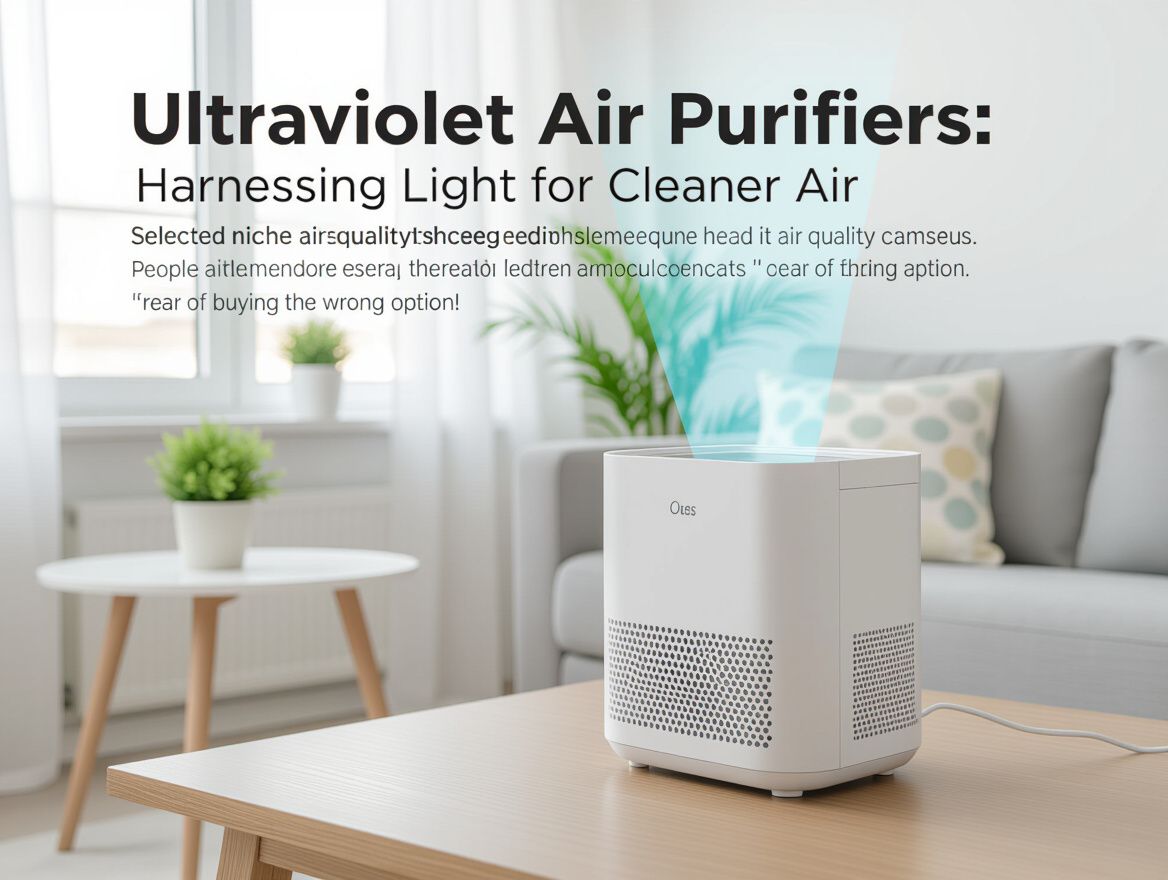
Ultraviolet Air Purifiers: Harnessing Light for Cleaner Air
Understanding Ultraviolet Air Purifiers
Ultraviolet air purifiers are increasingly popular for their unique approach to improving indoor air quality. These devices utilize UV-C light to eliminate harmful microorganisms such as bacteria, viruses, and mold spores, providing an alternative to traditional filtration methods. The effectiveness of UV light in killing these pathogens is well-documented, making it an appealing option for consumers concerned about airborne diseases.
However, the efficiency of ultraviolet air purifiers can vary significantly based on several factors, including the intensity of the UV light and the duration of exposure. For optimal performance, the light must be powerful enough and the air must flow through the unit long enough to ensure that pathogens are adequately neutralized. This is where limitations arise; in many home settings, the exposure time may not be sufficient to achieve complete disinfection.
In addition to their germicidal properties, it is crucial to consider air quality as a whole. While UV purifiers can effectively target certain microorganisms, they typically do not address particulate matter, which can include dust, pollen, and pet dander. For comprehensive air purification, many experts recommend using UV purifiers in conjunction with mechanical filters, such as HEPA filters, to capture a broader range of pollutants.
When evaluating ultraviolet air purifiers, consumers should weigh the benefits against potential drawbacks, including the production of ozone, which can pose health risks. Understanding these factors will help buyers make informed decisions tailored to their specific air quality needs.
Key Buying Criteria for Ultraviolet Air Purifiers
When considering ultraviolet air purifiers, it's essential to evaluate several key features and specifications to ensure you make an informed purchase. Here are the critical criteria to examine:
-
Effectiveness of UV Technology: Ultraviolet air purifiers utilize UV-C light to kill bacteria and viruses. However, their effectiveness can vary. Some studies suggest that while UV-C can deactivate many pathogens, it may not eliminate all germs, particularly those that are resistant. Therefore, it’s advisable to look for models that combine UV technology with other filtration methods, such as HEPA filters, for a more comprehensive approach to air purification.
-
Integration with HEPA Filters: Models that incorporate HEPA filters alongside UV technology can significantly enhance air quality by capturing particulate matter such as dust, pollen, and mold spores. This combination helps ensure that not only are airborne pathogens neutralized, but also that smaller particles are effectively removed from the air.
-
Ozone Production and Health Risks: Some ultraviolet air purifiers can produce ozone, a harmful byproduct that poses respiratory risks. It's crucial to choose models that minimize ozone emissions or are certified as ozone-free. Check product specifications and certifications to ensure safety for your household.
-
Maintenance and Replacement Costs: Consider the ongoing costs associated with maintaining your ultraviolet air purifier. This includes the frequency of bulb replacements for the UV light and the costs of replacing HEPA filters. Understanding these costs will help you evaluate the long-term investment and ensure it fits within your budget.
By carefully assessing these criteria, you can make a more informed decision about whether an ultraviolet air purifier is the right choice for your home.
Effectiveness of Ultraviolet Technology
Ultraviolet (UV) air purifiers utilize UV-C light to target and eliminate airborne pathogens such as bacteria and viruses. While this technology can be effective, it has notable limitations that consumers should consider when evaluating their air purification needs.
Comparison with Traditional Air Purifiers
Unlike conventional air purifiers that primarily rely on mechanical filtration systems like HEPA filters to capture particulates, UV air purifiers aim to neutralize pathogens at a molecular level. However, they often do not address particulate matter, which is a significant contributor to indoor air pollution. Therefore, consumers should consider whether they need a system that offers comprehensive filtration or one that focuses solely on microbial threats.
Limitations in Killing Certain Pathogens
While UV light can effectively kill many bacteria and viruses, it is not universally effective. Some pathogens, particularly certain mold spores and bacteria, exhibit resistance to UV radiation. Additionally, the effectiveness of UV light is contingent on exposure time; pathogens must be exposed to UV light for a sufficient duration to be neutralized. This requirement can be challenging to achieve in typical home environments, where airflow and movement may limit exposure.
Importance of Exposure Time and Intensity
The efficacy of UV air purifiers also depends on the intensity of the UV light and the duration of exposure. Stronger UV lamps and longer exposure times are necessary to achieve effective disinfection. In home settings, achieving these conditions can be impractical, leading to a potential underperformance of the unit. Consumers should be aware that while UV technology offers an additional layer of protection, it should not be relied upon as the sole method of air purification.
Conclusion
In summary, UV air purifiers can be a valuable addition to an air purification strategy, particularly when paired with mechanical filtration systems. However, understanding their limitations is crucial. Consumers should weigh the benefits of UV technology against its shortcomings in pathogen coverage and the practical challenges of ensuring adequate exposure. This informed approach will help in selecting an air purification solution that best fits individual needs and circumstances.
Potential Risks and Limitations
While ultraviolet air purifiers offer unique benefits, it is crucial to consider their potential drawbacks and health risks before making a purchase. Understanding these limitations can help you make a more informed decision.
-
Ineffectiveness Against Particulate Matter: Ultraviolet air purifiers primarily target microorganisms such as bacteria and viruses. However, they do not effectively remove particulate matter, which includes dust, pollen, and pet dander. This limitation means that if you are concerned about allergens or larger particles in your air, relying solely on UV technology may not be sufficient.
-
Health Risks from Ozone Production: Some UV air purifiers can produce ozone, a harmful gas that can lead to respiratory issues and other health problems. Ozone is often marketed as a benefit for its ability to neutralize odors, but the risks associated with its inhalation can outweigh any perceived advantages. Always check product specifications to ensure that the model you are considering does not emit ozone.
-
Misleading Marketing Claims: Many manufacturers promote UV air purifiers with claims of comprehensive air purification, including the elimination of all airborne pathogens. However, the effectiveness of UV light depends on factors such as exposure time and intensity. Some bacteria and mold spores may be resistant to UV radiation, meaning that these purifiers may not deliver the promised results. It's essential to seek models that include additional filtration methods, such as HEPA filters, for a more robust solution.
By weighing these risks and limitations, you can better assess whether an ultraviolet air purifier aligns with your specific air quality needs and health considerations.
Comparing Ultraviolet Air Purifiers to Other Types
When considering air purification solutions, it's essential to understand how ultraviolet (UV) air purifiers stack up against traditional options like HEPA and activated carbon filters. Each technology has its strengths and weaknesses, making them suitable for different scenarios.
Strengths and Weaknesses
-
Ultraviolet Air Purifiers:
- Strengths:
- Effective at killing bacteria and viruses when combined with sufficient exposure time and intensity.
- Can operate continuously without the need for frequent replacement, unlike physical filters.
- Weaknesses:
- Limited efficacy against all germs; some bacteria and mold spores may resist UV light.
- Often do not remove particulate matter, necessitating additional filtration systems.
- Strengths:
-
HEPA Filters:
- Strengths:
- Capable of trapping 99.97% of particles as small as 0.3 microns, including dust, pollen, and pet dander.
- Highly effective for allergy sufferers and in environments requiring clean air.
- Weaknesses:
- Requires regular replacement to maintain effectiveness, leading to ongoing costs.
- Does not kill pathogens but only captures them, necessitating additional methods for germicidal action.
- Strengths:
-
Activated Carbon Filters:
- Strengths:
- Excellent at absorbing odors and volatile organic compounds (VOCs), making them ideal for spaces with strong smells.
- Can complement HEPA filters by addressing gaseous pollutants that HEPA cannot capture.
- Weaknesses:
- Limited lifespan; effectiveness diminishes as the carbon becomes saturated.
- Does not remove particulate matter or microorganisms, requiring a multi-layered approach for comprehensive air cleaning.
- Strengths:
Best Use Cases for Each Technology
- Ultraviolet Air Purifiers: Best suited for environments where microbial contamination is a concern, such as hospitals or labs. They work best when paired with HEPA filters to ensure both particulate and microbial air quality.
- HEPA Filters: Ideal for households with allergy sufferers or pets, as they effectively capture allergens and dust particles, promoting a healthier indoor environment.
- Activated Carbon Filters: Most effective in kitchens or areas with strong odors and VOCs, such as near paint or cleaning supplies, where chemical absorption is needed.
Cost-Effectiveness Comparison
- UV Air Purifiers: Generally lower long-term costs as they do not require filter replacements, though initial purchase prices can be higher.
- HEPA Filters: Higher ongoing costs due to regular filter replacements, but provide consistent performance in air quality improvement.
- Activated Carbon Filters: Similar to HEPA in terms of replacement costs, but may need to be replaced more frequently depending on the level of pollutants in the air.
Understanding these distinctions will help you evaluate which air purification technology aligns best with your specific needs and environment, ensuring you make an informed purchasing decision.
Frequently Asked Questions
When considering ultraviolet air purifiers, potential buyers often have several questions regarding their effectiveness and suitability for specific needs. Here are some common queries addressed:
What buyer problem does ultraviolet air purifiers solve?
Ultraviolet air purifiers primarily target airborne pathogens, such as bacteria and viruses, providing a unique solution for those concerned about indoor air quality and health risks associated with airborne diseases. Unlike traditional air purifiers that focus on particulate matter, UV purifiers specifically aim to neutralize microorganisms, which can be particularly beneficial in environments like hospitals or homes with allergy sufferers.
What are the trade-offs of choosing a UV purifier?
While ultraviolet air purifiers offer distinct advantages, they come with certain trade-offs:
- Limited Effectiveness: UV light may not eliminate all types of bacteria or mold spores, especially those that are resistant to UV radiation. For comprehensive air purification, pairing UV technology with HEPA filters is often recommended.
- Ozone Production: Some UV purifiers can produce ozone, a harmful gas that can irritate the respiratory system. It’s essential to choose models designed to minimize or eliminate ozone emission.
- Exposure Time: The effectiveness of UV light relies heavily on the duration of exposure. In many home settings, the airflow can limit the time pathogens are exposed to UV light, potentially reducing its effectiveness.
How does UV technology compare to other air purification methods?
When comparing UV technology to other air purification methods, consider the following points:
- Filtration vs. Germicidal Action: Traditional filters, such as HEPA filters, capture particulate matter but do not kill pathogens. In contrast, UV purifiers can neutralize microorganisms but may not remove allergens like dust or pollen.
- Complementary Use: For optimal air quality, many experts advocate using UV purifiers alongside mechanical filters. This combination can tackle both particulate matter and airborne pathogens effectively.
- Cost and Maintenance: UV purifiers may have lower ongoing maintenance costs compared to filters that require regular replacement. However, the initial investment and the need for bulb replacements should also be factored into the decision.
Understanding these aspects will help consumers make informed choices regarding ultraviolet air purifiers and their role in achieving cleaner air.
Making an Informed Decision
When considering ultraviolet air purifiers, it's essential to balance their benefits and limitations to make an informed choice. These devices can effectively neutralize certain pathogens, offering a unique advantage in combating airborne diseases. However, their effectiveness is contingent on specific factors, such as UV light intensity and exposure duration.
Key Benefits:
- Germicidal Action: UV-C light can kill bacteria, viruses, and mold spores, making it a valuable tool for improving indoor air quality.
- Complementary Use: When paired with HEPA filters, UV purifiers can enhance overall air purification by addressing both microorganisms and particulate matter.
Notable Drawbacks:
- Limited Effectiveness: Not all pathogens are susceptible to UV light, and some may evade treatment if exposure is insufficient.
- Ozone Production: Some UV air purifiers can generate ozone, which may pose health risks, particularly for sensitive individuals.
- Neglecting Particulates: These purifiers typically do not filter out dust, pollen, or pet dander, which are common allergens.
Final Thoughts:
Ultraviolet air purifiers can be a beneficial addition to your air quality strategy, especially in environments where microbial contamination is a concern. However, they are not a standalone solution. It's crucial to evaluate your specific needs, such as the presence of allergens or the potential for ozone exposure, when deciding on the right air purification system. By considering these factors, you can better align your choice with your health and air quality goals.