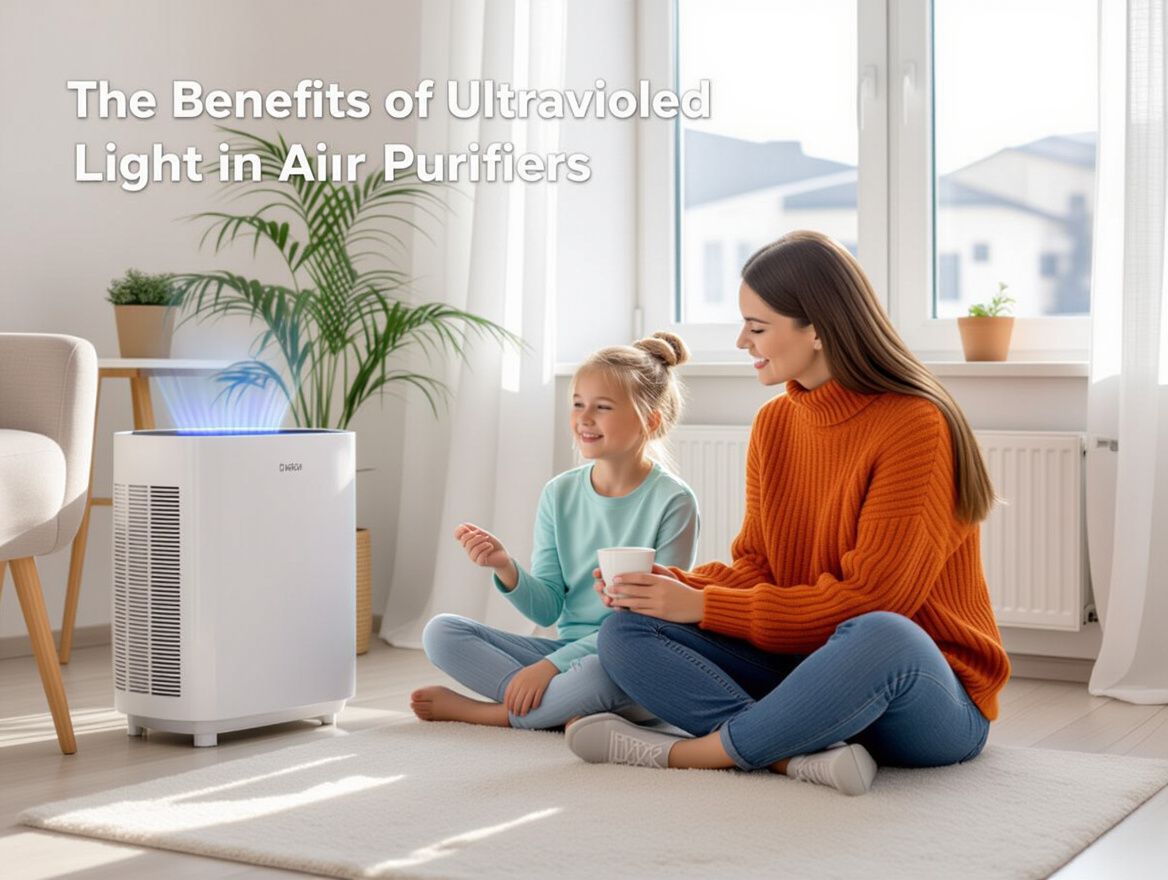
The Benefits of Ultraviolet Light in Air Purifiers
Understanding Ultraviolet Light in Air Purifiers
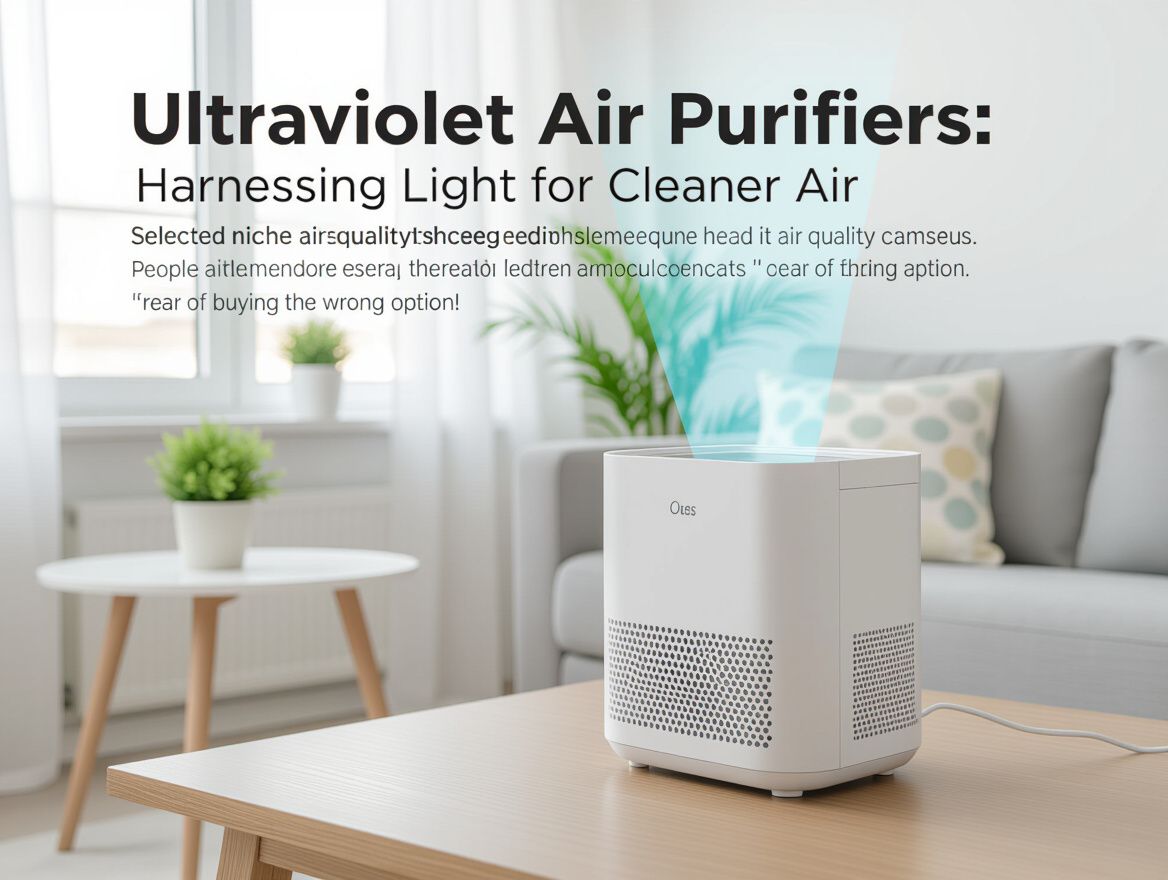
Ultraviolet (UV) light technology is increasingly being integrated into air purifiers as a means to enhance indoor air quality. UV light, particularly in the UV-C spectrum, has germicidal properties that can potentially kill bacteria, viruses, and mold spores. This technology operates by exposing airborne pathogens to UV light, which disrupts their DNA, rendering them inactive and unable to reproduce.
However, the effectiveness of UV light in air purifiers is contingent on several factors:
-
Wavelength and Exposure Time: For UV light to be effective, it must emit at the appropriate wavelength (typically around 254 nm for UV-C) and provide sufficient exposure time to the pathogens. Many air purifiers may not achieve the necessary conditions to ensure a significant reduction in airborne contaminants.
-
Complementary Technologies: UV light is often used in conjunction with other filtration methods, such as HEPA filters, to address a broader range of pollutants. While UV can target microorganisms, it does not remove particulate matter or volatile organic compounds (VOCs) from the air.
-
Safety Considerations: Users should be aware of the potential risks associated with UV light exposure. Direct exposure can be harmful to skin and eyes, which necessitates careful design in air purifier units to prevent leakage.
As you consider air purifiers with UV light features, it's essential to evaluate these factors to determine how they align with your specific air quality needs and health considerations.
Health Benefits of Ultraviolet Light in Air Purifiers
Ultraviolet (UV) light technology in air purifiers has gained attention for its potential health benefits, particularly in its ability to kill harmful microorganisms and reduce allergens. Understanding these benefits can help consumers make informed decisions when considering air purifiers with UV features.
Key Health Benefits:
-
Microbial Elimination: UV-C light is effective at killing bacteria, viruses, and fungal spores. This capability can significantly reduce the presence of airborne pathogens, which is especially beneficial for households with individuals prone to respiratory issues or weakened immune systems.
-
Allergen Reduction: By targeting pathogens, UV light can indirectly contribute to a decrease in allergens. For example, mold spores and certain bacteria can trigger allergic reactions, and by reducing these contaminants, UV air purifiers may help alleviate allergy symptoms.
Considerations and Limitations:
-
Effectiveness: Not all UV air purifiers are created equal. The effectiveness of UV light in killing microorganisms depends on the intensity of the light and the duration of exposure. Many models may not provide sufficient UV exposure to effectively neutralize more resilient pathogens.
-
Complementary Technology: While UV light can enhance air purification, it is not a standalone solution. It is often recommended to use UV technology alongside HEPA filters or other filtration methods to ensure a broader range of pollutants, including dust and pet dander, are removed from the air.
-
Potential Risks: Consumers should be aware of the potential risks associated with UV light exposure, including skin and eye damage. Proper design and safety features are essential to minimize these risks in home environments.
In summary, while air purifiers with ultraviolet light can offer notable health benefits, it's crucial for consumers to weigh these advantages against the technology's limitations and potential risks. This understanding will aid in selecting a device that effectively meets their air purification needs.
Key Buying Criteria for UV Air Purifiers
When considering air purifiers that utilize ultraviolet (UV) light technology, it's essential to evaluate specific features and specifications to ensure you select a model that meets your needs. Here are the key criteria to keep in mind:
-
UV Light Intensity and Exposure Time: The effectiveness of UV light in killing airborne pathogens largely depends on the intensity of the UV light and the duration of exposure. Look for purifiers that specify their UV wavelength (ideally in the UV-C range) and provide details on how long air is exposed to the UV light for optimal disinfection.
-
Complementary Filtration Systems: UV light alone may not effectively eliminate all pollutants. Consider models that incorporate additional filtration systems, such as HEPA filters, which can trap particulate matter like dust and allergens while the UV light addresses microbial threats.
-
Room Size Compatibility: Ensure the air purifier is suitable for the size of the room where it will be used. Each model typically lists its effective coverage area; choosing a unit that matches your space will maximize its efficiency in improving air quality.
-
Safety Features: UV light can pose risks to skin and eyes. Look for air purifiers designed with safety features that prevent UV exposure when the unit is in operation, ensuring peace of mind during use.
-
Maintenance Requirements: Some UV air purifiers may require regular bulb replacements or cleaning to maintain effectiveness. Assess the maintenance needs and associated costs to avoid unexpected expenses in the long run.
By carefully evaluating these criteria, you can make a more informed decision about which UV air purifier will best enhance your indoor air quality and support your health.
Trade-offs and Risks of Using UV Air Purifiers
While ultraviolet (UV) light technology can enhance air purification, there are important trade-offs and risks to consider before investing in air purifiers that utilize this feature.
-
Ineffectiveness Against Certain Pollutants: UV light is primarily effective against microorganisms, including bacteria and viruses, but it does not remove particulate matter or volatile organic compounds (VOCs) from the air. Many indoor pollutants, such as dust, pollen, and smoke, require different filtration methods, such as HEPA filters, to be effectively captured. Thus, relying solely on UV technology may leave significant air quality issues unaddressed.
-
Potential Safety Risks: Direct exposure to UV light can be harmful to skin and eyes. While most air purifiers are designed to prevent leakage of UV radiation, there is still a risk if the unit is improperly maintained or if the design does not adequately shield users. Consequently, it's crucial to ensure that the air purifier is certified for safety and that it includes protective features to minimize exposure.
-
Dependence on Optimal Conditions: The effectiveness of UV light in killing pathogens depends on the appropriate wavelength and sufficient exposure time. Many air purifiers may not provide the optimal conditions necessary for effective disinfection, meaning that users might not achieve the expected health benefits. This can lead to a false sense of security regarding indoor air quality.
-
Integration with Other Technologies: For best results, UV light should be used in conjunction with other filtration methods. Air purifiers that combine UV technology with HEPA filters or activated carbon filters can offer a more comprehensive solution to air quality issues. However, this can also increase the complexity and cost of the unit.
Understanding these trade-offs and risks is essential for consumers considering UV air purifiers. By weighing these factors against your specific air quality needs and health considerations, you can make a more informed purchasing decision.
Comparing UV Air Purifiers to Traditional Models
When exploring air purifiers, understanding how UV air purifiers compare to traditional models is essential for making an informed decision. While both types aim to improve indoor air quality, they function differently and come with distinct benefits and limitations.
Efficacy in Air Purification
-
Pathogen Targeting: UV air purifiers utilize UV-C light to neutralize airborne pathogens like bacteria and viruses. This germicidal action can be an advantage in environments where microbial contamination is a concern. However, the effectiveness of UV light is highly dependent on the proper wavelength and exposure time, which many models may not consistently achieve.
-
Filtration Limitations: Traditional air purifiers often include HEPA filters that capture particulate matter, such as dust, pollen, and pet dander. UV air purifiers, on the other hand, do not remove these particles; they primarily focus on microbial threats. Therefore, relying solely on UV technology may leave other common indoor pollutants unaddressed.
Cost-Effectiveness and Maintenance
-
Upfront and Operational Costs: UV air purifiers may have higher initial costs due to the added technology. Additionally, they require regular bulb replacements to maintain efficacy, which can add to long-term expenses. Traditional air purifiers, especially those with HEPA filters, may have lower maintenance costs since filter changes are typically less frequent.
-
Maintenance Requirements: While traditional air purifiers require filter replacements, UV models necessitate both filter maintenance and bulb replacements. This dual requirement can lead to increased operational oversight, which may not be ideal for all users.
Conclusion
In summary, UV air purifiers offer specific advantages in pathogen neutralization but may fall short in addressing particulate pollutants and could incur higher long-term costs due to maintenance needs. When considering your options, weigh the importance of microbial control against the need for comprehensive air filtration and the associated costs of both types of systems.
Frequently Asked Questions About UV Air Purifiers
When considering air purifiers that utilize ultraviolet (UV) light technology, it's essential to address common questions and misconceptions that may arise. Here are some key points to help clarify the benefits and limitations of UV air purifiers.
Do UV air purifiers eliminate odors?
While UV air purifiers are effective at killing bacteria and viruses, they do not directly eliminate odors. Odors are often caused by volatile organic compounds (VOCs) or particulate matter, which UV light cannot remove. For effective odor control, look for air purifiers that combine UV technology with activated carbon filters, as these are designed to adsorb odors and VOCs.
How often should UV bulbs be replaced?
The lifespan of UV bulbs can vary significantly depending on the manufacturer and usage. Generally, UV bulbs should be replaced every 9 to 12 months to maintain their effectiveness. It's crucial to check the manufacturer's guidelines for specific recommendations, as failing to replace the bulb may lead to decreased germicidal effectiveness over time. Regular maintenance is key to ensuring that your air purifier continues to function optimally.
Additional Considerations
- Maintenance Requirements: Regularly check and replace filters and UV bulbs as needed to ensure optimal performance.
- Safety Precautions: Ensure that the air purifier is designed to prevent UV light exposure to users, as direct exposure can be harmful.
- Complementary Features: Consider models that incorporate additional filtration methods for a more comprehensive air purification solution.
Understanding these aspects can help you make a more informed decision when selecting an air purifier with UV light features, ensuring it meets your specific air quality needs.
Making an Informed Decision on UV Air Purifiers
When considering air purifiers equipped with ultraviolet (UV) light technology, it's important to weigh both the benefits and limitations to make an informed choice that aligns with your health and air quality needs.
Benefits
- Microbial Reduction: UV light has the potential to deactivate bacteria, viruses, and mold spores, contributing to a cleaner air environment.
- Complementary Use: When combined with HEPA filters, UV air purifiers can provide a more comprehensive approach to air purification by addressing both biological contaminants and particulate matter.
Risks and Limitations
- Effectiveness Variability: The success of UV light in killing pathogens depends on factors such as the specific wavelength and the duration of exposure. Many units may not achieve optimal conditions for effective microbial reduction.
- Safety Concerns: UV light can pose health risks, including skin and eye damage. Ensure that the design of the air purifier minimizes exposure risk.
- Not a Standalone Solution: UV air purifiers typically do not eliminate common indoor pollutants like VOCs or particulate matter. They should not be relied upon as the sole air cleaning method.
Personal Assessment
Before making a purchase, reflect on your specific needs:
- Room Size: Ensure the unit is rated for the space you intend to use it in.
- Pollutant Types: Consider whether you need to address biological contaminants specifically or if you have other air quality concerns.
- Health Considerations: If you have sensitivities or health conditions, evaluate how UV light and other features align with your requirements.
By carefully assessing these factors, you can make a more confident decision regarding the purchase of an air purifier with ultraviolet light features.